| Erdi (originale) | Erdi (traduzione) |
|---|---|
| This is a Peul song that means playing to win pastureland; | Questa è una canzone di Peul che significa suonare per vincere i pascoli; |
| not for sheep or | non per le pecore o |
| goats, but only for cattle | capre, ma solo per il bestiame |
| It is a contest held each year. | È un concorso che si tiene ogni anno. |
| When the people leave for the pastureland, | Quando la gente parte per il pascolo, |
| returning from the winter | di ritorno dall'inverno |
| Grounds, they have the finest and fattest animals among their flocks, | Terreni, hanno tra le loro greggi gli animali più belli e più grassi, |
| and that’s when competition and | ed è allora che la concorrenza e |
| Jealousy arises between the Peul ethnic groups. | La gelosia nasce tra i gruppi etnici Peul. |
| It is like in life, | È come nella vita, |
| one can have only one life without | si può avere una sola vita senza |
| Children, or without a first child. | Bambini o senza un primo figlio. |
| One can have a hundred children in the bed, | Si possono avere cento bambini nel letto, |
| but there is not a first | ma non c'è un primo |
| Child amongst them. | Bambino in mezzo a loro. |
| The first child is the one who does well and who knows what | Il primo figlio è quello che fa bene e chissà cosa |
| he is doing, who | lui sta facendo, chi |
| Occupies himself only with what is his right | Si occupa solo di ciò che è suo diritto |
| First son who has never been matched | Primo figlio che non è mai stato eguagliato |
| Thank you for what never ends, yes! | Grazie per ciò che non finisce mai, sì! |
Traduzione del testo della canzone Erdi - Ali Farka Touré
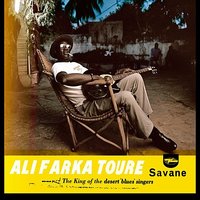
Informazioni sulla canzone In questa pagina puoi leggere il testo della canzone Erdi , di -Ali Farka Touré
Nel genere:Африканская музыка
Data di rilascio:16.07.2006
Lingua della canzone:Inglese
Seleziona la lingua in cui tradurre:
Scrivi cosa pensi del testo!
Altre canzoni dell'artista:
| Nome | Anno |
|---|---|
| 2010 | |
| 1992 |