| DEUTSCHLAND (originale) | DEUTSCHLAND (traduzione) |
|---|---|
| Du (du hast, du hast, du hast, du hast) | tu (hai, hai, hai, hai) |
| Hast viel geweint (geweint, geweint, geweint, geweint) | Ho pianto molto (pianto, pianto, pianto, pianto) |
| Im Geist getrennt (getrennt, getrennt, getrennt, getrennt) | Separati nello spirito (separati, separati, separati, separati) |
| Im Herz vereint (vereint, vereint, vereint, vereint) | Uniti nel cuore (uniti, uniti, uniti, uniti) |
| Wir (wir sind, wir sind, wir sind, wir sind) | Noi (siamo, siamo, siamo, siamo) |
| Sind schon sehr lang zusammen (ihr seid, ihr seid, ihr seid, ihr seid) | State insieme da molto tempo (sei, sei, sei, sei) |
| Dein Atem kalt (so kalt, so kalt, so kalt, so kalt) | Il tuo respiro freddo (così freddo, così freddo, così freddo, così freddo) |
| Das Herz in Flammen (so heiß, so heiß, so heiß, so heiß) | Il cuore in fiamme (così caldo, così caldo, così caldo, così caldo) |
| Du (du kannst, du kannst, du kannst, du kannst) | Tu (puoi, puoi, puoi, puoi) |
| Ich (ich weiß, ich weiß, ich weiß, ich weiß) | Io (lo so, lo so, lo so, lo so) |
| Wir (wir sind, wir sind, wir sind, wir sind) | Noi (siamo, siamo, siamo, siamo) |
| Ihr (ihr bleibt, ihr bleibt, ihr bleibt, ihr bleibt) | Tu (rimani, rimani, rimani, rimani) |
| Deutschland, mein Herz in Flammen | Germania, il mio cuore è in fiamme |
| Will dich lieben und verdammen | voglio amarti e dannarti |
| Deutschland, dein Atem kalt | Germania, il tuo respiro freddo |
| So jung, und doch so alt | Così giovane eppure così vecchio |
| Deutschland! | Germania! |
| Ich (du hast, du hast, du hast, du hast) | io (hai, hai, hai, hai) |
| Ich will dich nie verlassen (du weinst, du weinst, du weinst, du weinst) | Non voglio mai lasciarti (piangi, piangi, piangi, piangi) |
| Man kann dich lieben (du liebst, du liebst, du liebst, du liebst) | Puoi essere amato (ami, ami, ami, ami) |
| Und will dich hassen (du hasst, du hasst, du hasst, du hasst) | E voglio odiarti (odi, odi, odi, odi) |
| Überheblich, überlegen | Arrogante, superiore |
| Übernehmen, übergeben | Prendere in consegna, consegnare |
| Überraschen, überfallen | Sorpresa sorpresa |
| Deutschland, Deutschland über allen | Germania, Germania soprattutto |
| Deutschland, mein Herz in Flammen | Germania, il mio cuore è in fiamme |
| Will dich lieben und verdammen | voglio amarti e dannarti |
| Deutschland, dein Atem kalt | Germania, il tuo respiro freddo |
| So jung, und doch so alt | Così giovane eppure così vecchio |
| Deutschland, deine Liebe | Germania, il tuo amore |
| Ist Fluch und Segen | È maledizione e benedizione |
| Deutschland, meine Liebe | Germania, mia cara |
| Kann ich dir nicht geben | non posso darti |
| Deutschland! | Germania! |
| Du | Voi |
| Ich | io |
| Wir | noi |
| Ihr | Sua |
| Du (übermächtig, überflüssig) | Tu (prepotente, superfluo) |
| Ich (Übermenschen, überdrüssig) | Io (superuomo, stanco) |
| Wir (wer hoch steigt, der wird tief fallen) | Noi (chi sale in alto cadrà in basso) |
| Ihr (Deutschland, Deutschland über allen) | Il tuo (Germania, Germania soprattutto) |
| Deutschland, mein Herz in Flammen | Germania, il mio cuore è in fiamme |
| Will dich lieben und verdammen | voglio amarti e dannarti |
| Deutschland, dein Atem kalt | Germania, il tuo respiro freddo |
| So jung, und doch so alt | Così giovane eppure così vecchio |
| Deutschland, deine Liebe | Germania, il tuo amore |
| Ist Fluch und Segen | È maledizione e benedizione |
| Deutschland, meine Liebe | Germania, mia cara |
| Kann ich dir nicht geben | non posso darti |
| Deutschland! | Germania! |
Traduzione del testo della canzone DEUTSCHLAND - Rammstein
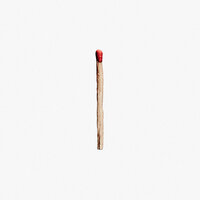
Informazioni sulla canzone In questa pagina puoi leggere il testo della canzone DEUTSCHLAND , di -Rammstein
Canzone dall'album: Rammstein
Nel genere:Индастриал
Data di rilascio:16.05.2019
Lingua della canzone:Tedesco
Etichetta discografica:RAMMSTEIN GBR
Seleziona la lingua in cui tradurre:
Scrivi cosa pensi del testo!
Altre canzoni dell'artista:
| Nome | Anno |
|---|---|
| 1997 | |
| 2011 | |
| 2005 | |
| 2005 | |
| 2019 | |
| 2005 | |
| 1997 | |
| 2005 | |
| 2005 | |
| 2002 | |
| 2005 | |
| 2005 | |
| 2019 | |
| 1995 | |
| 2005 | |
| 1997 | |
| 2005 | |
| 2005 | |
| 2011 | |
| 2005 |