| Drige (originale) | Drige (traduzione) |
|---|---|
| Knows he who tills this lonely field | Conosce colui che coltiva questo campo solitario |
| To reap its scanty corn | Per raccogliere il suo scarso grano |
| What mystic fruit his acres yield | Quale frutto mistico producono i suoi acri |
| At midnight and at morn? | A mezzanotte e al mattino? |
| In the long sunny afternoon | Nel lungo pomeriggio soleggiato |
| The plain was full of ghosts | La pianura era piena di fantasmi |
| I wandered up, I wandered down | Ho vagato in alto, ho vagato in basso |
| Beset by pensive hosts | Assalito da host pensierosi |
| The winding Concord gleamed below | Il tortuoso Concord brillava sotto |
| Pouring as wide a flood | Versando come un'inondazione |
| As when my brothers long ago | Come quando i miei fratelli molto tempo fa |
| Came with me to the wood | È venuto con me nel bosco |
| But they are gone, — the holy ones | Ma se ne sono andati, — i santi |
| Who trod with me this lonely vale | Chi ha calpestato con me questa valle solitaria |
| The strong, star-bright companions | I compagni forti e luminosi |
| Are silent, low, and pale | Sono silenziosi, bassi e pallidi |
| My good, my noble, in their prime | Mio bene, mio nobile, nel loro periodo migliore |
| Who made this world the feast it was | Chi ha reso questo mondo la festa che era |
| Who learned with me the lore of time | Chi ha imparato con me la tradizione del tempo |
| Who loved this dwelling-place | Chi amava questa dimora |
| They took this valley for their toy | Hanno preso questa valle per il loro giocattolo |
| They played with it in every mood | Ci hanno giocato in ogni stato d'animo |
| A cell for prayer, a hall for joy | Una cella per la preghiera, una sala per la gioia |
| They treated nature as they would | Trattavano la natura come avrebbero fatto |
| They colored the horizon round | Colorarono l'orizzonte intorno |
| Stars flamed and faded as they bade | Le stelle fiammeggiavano e sbiadivano mentre gridavano |
| All echoes hearkened for their sound | Tutti gli echi ascoltavano il loro suono |
| They made the woodlands glad or mad | Hanno reso i boschi felici o pazzi |
| I touch this flower of silken leaf | Tocco questo fiore di foglia di seta |
| Which once our childhood knew | Che una volta la nostra infanzia sapeva |
| Its soft leaves wound me with a grief | Le sue morbide foglie mi feriscono di dolore |
| Whose balsam never grew | il cui balsamo non è mai cresciuto |
| Hearken to yon pine warbler | Ascolta quella silvia di pino |
| Singing aloft in the tree | Cantando in alto nell'albero |
| Hearest thou, O traveller | Ascolta tu, o viaggiatore |
| What he singeth to me? | Cosa mi canta? |
| Not unless God made sharp thine ear | Non a meno che Dio non ti abbia fatto affilare l'orecchio |
| With sorrow such as mine | Con un dolore come il mio |
| Out of that delicate lay couldst thou | Da quella delicata disposizione potresti tu |
| The heavy dirge divine | Il pesante canto funebre divino |
| Go, lonely man, it saith | Vai, uomo solitario, dice |
| They loved thee from their birth | Ti hanno amato fin dalla nascita |
| Their hands were pure, and pure their faith | Le loro mani erano pure, e pura la loro fede |
| There are no such hearts on earth | Non ci sono tali cuori sulla terra |
| Ye drew one mother’s milk | Hai preparato il latte di una madre |
| One chamber held ye all | Una camera vi tenne tutti |
| A very tender history | Una storia molto tenera |
| Did in your childhood fall | Nella tua infanzia è caduto |
| Ye cannot unlock your heart | Non puoi sbloccare il tuo cuore |
| The key is gone with them | La chiave è andata con loro |
| The silent organ loudest chants | L'organo silenzioso canta più forte |
| The master’s requiem | Il requiem del maestro |
| Poem by Ralph Waldo Emerson | Poesia di Ralph Waldo Emerson |
Traduzione del testo della canzone Drige - Hyperomm
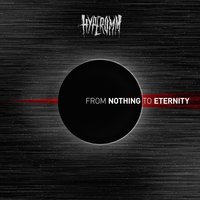
Informazioni sulla canzone In questa pagina puoi leggere il testo della canzone Drige , di -Hyperomm
Canzone dall'album: From Nothing to Eternity
Data di rilascio:31.01.2017
Lingua della canzone:Inglese
Seleziona la lingua in cui tradurre:
Scrivi cosa pensi del testo!
Altre canzoni dell'artista:
| Nome | Anno |
|---|---|
| 2017 | |
| 2017 | |
| 2017 | |
| 2017 | |
| 2017 | |
| 2017 |