| "Gustave! Gustave!..." (originale) | "Gustave! Gustave!..." (traduzione) |
|---|---|
| C: Gustave, Gustave, Gustave. | C: Gustave, Gustave, Gustave. |
| P: What’s wrong? | P: Cosa c'è che non va? |
| C: Gustave! | C: Gustavo! |
| P: What’s wrong?! | P: Cosa c'è che non va?! |
| C: He should of been here. | C: Dovrebbe essere stato qui. |
| He was meant to be here! | Doveva essere qui! |
| P: It’s that idiot Raoul. | P: È quell'idiota Raoul. |
| Why, I’ll kill that drunken fool! | Perché, ucciderò quello sciocco ubriacone! |
| That he dare touch | Che osa toccare |
| that child. | quel bambino. |
| A child that isn’t his. | Un bambino che non è suo. |
| Mr. Squelch?! | Signor Squelch?! |
| M: Sir? | M: Signore? |
| P: Seal the portlock, hade each road. | P: Sigilla l'oblò, pulisci ogni strada. |
| Call in every favor that I’m owed. | Chiedere ogni favore che mi è dovuto. |
| I’ll be damned if he leaves this isle! | Che io sia dannato se lascia quest'isola! |
| M: The condition he left here in a carriage, saw with my own eyes, sir. | M: La condizione che ha lasciato qui in carrozza, l'ha vista con i miei occhi, signore. |
| There was no one with him. | Non c'era nessuno con lui. |
| P: Are you quite certain he left here alone? | P: Sei proprio sicuro che sia rimasto qui da solo? |
| M: Sir, was there anyone else here backstage? | M: Signore, c'era qualcun altro qui dietro le quinte? |
| P: Yes, yes. | P: Sì, sì. |
| Madam Giry, she was here, with her vicious little sneer and that | Signora Giry, lei era qui, con il suo piccolo ghigno vizioso e cose del genere |
| comment she made. | commento che ha fatto. |
| The ungreatful back biting snake. | L'ingrato serpente che morde la schiena. |
| She’s been greedious indeed. | È stata davvero avida. |
| She’ll get her’s now guaranteed! | Ora la otterrà garantita! |
| Go now quickly. | Vai ora rapidamente. |
| Bring her round. | Portala in giro. |
| Bring the boy back safe and sound. | Riporta il ragazzo sano e salvo. |
| Then I’ll tear her limb from limb. | Allora le strapperò un arto dopo l'altro. |
| MG: What is the meaning of this? | MG: Qual è il significato di questo? |
| How dare you meanians handle me in this | Come osate voi meschini gestirmi in questo |
| fashion. | moda. |
| I command an answer. | Ordino una risposta. |
| P: The boy, woman. | P: Il ragazzo, la donna. |
| What have you done with him? | Che cosa hai fatto con lui? |
| MG: The boy? | MG: Il ragazzo? |
| You think I took the boy? | Pensi che abbia preso il ragazzo? |
| Why would I do such a thing? | Perché dovrei fare una cosa del genere? |
| You think I don’t know who he is? | Pensi che non sappia chi è? |
| All these years, who has been faithful more | In tutti questi anni, chi è stato più fedele |
| than I? | di me? |
| No one! | Nessuno! |
| P: Giry | P: Giry |
| MG: All these years, who could you think I’d hurt that child-- | MG: In tutti questi anni, chi potresti pensare che avrei fatto del male a quel bambino... |
| P: My patience is running dry-- | P: La mia pazienza si sta esaurendo... |
| MG: All these years, I’ve been mother to you and Christine as much as my daughter-- | MG: In tutti questi anni sono stata madre per te e Christine tanto quanto mia figlia... |
| P: Enough! | P: Basta! |
| MG: Do you think I don’t know how it hurts to see one’s child far too off? | MG: Credi che non sappia quanto fa male vedere il proprio figlio troppo lontano? |
| P: Gustave, Gustave, Gustave. | P: Gustave, Gustave, Gustave. |
| F: Sir? | F: Signore? |
| I just passed Meg’s dressing room. | Sono appena passato dallo spogliatoio di Meg. |
| It was empty as a tomb, | Era vuota come una tomba, |
| but her mirror was smashed all in pieces on the floor. | ma il suo specchio è stato fatto a pezzi sul pavimento. |
| P: Meg? | P: Mega? |
| MG: oh my god | MG: oh mio dio |
| F: And I saw her down the hall, pulling someone pale and small. | F: E l'ho vista in fondo al corridoio, trascinando qualcuno pallido e piccolo. |
| And she looked | E lei guardò |
| all about and then scurried out the door. | tutto intorno e poi corse fuori dalla porta. |
| MG: God I left her, so distraught. | MG: Dio l'ho lasciata, così sconvolta. |
| Please who knows just what she thought. | Per favore chissà cosa ha pensato. |
| I’m afraid she’s come undone. | Temo che si sia disfatta. |
| But she won’t hurt him. | Ma lei non gli farà del male. |
| Meg would never hurt him. | Meg non gli avrebbe mai fatto del male. |
| How could she hurt him? | Come poteva ferirlo? |
| P: I know where they’ve gone, but we must hurry! | P: So dove sono andati, ma dobbiamo sbrigarci! |
| MG: In that crowd? | MG: In quella folla? |
| There are millions of people out there. | Ci sono milioni di persone là fuori. |
| C: Gustave! | C: Gustavo! |
| My poor Gustave. | Mio povero Gustave. |
| P: Theres no time to waist | P: Non c'è tempo per la vita |
| C: Gustave! | C: Gustavo! |
| (Crowd making noise) | (Folla che fa rumore) |
| C: Gustave, Gustave! | C: Gustave, Gustave! |
| P: You there, stop! | P: Ecco, fermati! |
| C: It’s not him. | C: Non è lui. |
| MG: Meg. | MG: Mega. |
| P: I think I see them! | P: Penso di vederli! |
| This way! | Per di qua! |
| C: Gustave! | C: Gustavo! |
| Is that… I’m so sorry. | È che... mi dispiace tanto. |
| MG: Meg, please. | MG: Meg, per favore. |
| P: To the pier! | P: Al molo! |
Traduzione del testo della canzone "Gustave! Gustave!..." - Andrew Lloyd Webber
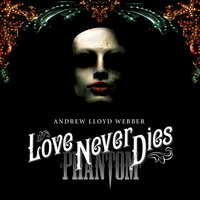
Informazioni sulla canzone In questa pagina puoi leggere il testo della canzone "Gustave! Gustave!..." , di -Andrew Lloyd Webber
Canzone dall'album: Love Never Dies
Nel genere:Саундтреки
Data di rilascio:31.12.2009
Lingua della canzone:Inglese
Etichetta discografica:The Really Useful Group
Seleziona la lingua in cui tradurre:
Scrivi cosa pensi del testo!
Altre canzoni dell'artista:
| Nome | Anno |
|---|---|
| 2012 | |
| 1980 | |
| 2013 | |
| 2018 | |
| 1969 | |
| 2018 | |
| 2013 | |
| 2018 | |
| 2013 | |
| 1969 | |
| 1986 | |
| 1969 | |
| 2013 | |
| 2005 | |
| 2005 | |
| 2005 | |
| 2013 | |
| 1969 | |
Pilate's Dream ft. "Jesus Christ Superstar" 1996 London Cast, david burt | 2005 |
| 2018 |