| John Williams: Prologue (originale) | John Williams: Prologue (traduzione) |
|---|---|
| «A fiddler on the roof. | «Un violinista sul tetto. |
| Sounds crazy, no? | Sembra pazzesco, no? |
| But in our little village of Anatevka, | Ma nel nostro piccolo villaggio di Anatevka, |
| you might say every one of us is a fiddler on the roof, trying to scratch out | potresti dire che ognuno di noi è un violinista sul tetto, che cerca di grattare |
| a pleasant, simple tune without breaking his neck. | una melodia piacevole e semplice senza rompergli il collo. |
| It isn’t easy. | Non è facile. |
| You may ask, why do we stay up there if it’s so dangerous? | Potresti chiedere, perché restiamo lassù se è così pericoloso? |
| We stay because | Restiamo perché |
| Anatevka is our home… And how do we keep our balance? | Anatevka è la nostra casa... E come manteniamo il nostro equilibrio? |
| That I can tell you | Che posso dirti |
| in one word… Tradition.» | in una parola... Tradizione.» |
| (Chorus) | (Coro) |
| Tradition, tradition… tradition | Tradizione, tradizione... tradizione |
| Tradition, tradition… tradition | Tradizione, tradizione... tradizione |
| (Tevye) | (Tevye) |
| «Because of our traditions, we’ve kept our balance for many, many years. | «Grazie alle nostre tradizioni, abbiamo mantenuto il nostro equilibrio per molti, molti anni. |
| Here in Anatevka we have traditions for everything… how to eat, how to sleep, | Qui ad Anatevka abbiamo tradizioni per tutto... come mangiare, come dormire, |
| even, how to wear clothes. | anche, come indossare i vestiti. |
| For instance, we always keep our heads covered and | Ad esempio, teniamo sempre la testa coperta e |
| always wear a little prayer shawl… This shows our constant devotion to God. | indossa sempre un piccolo scialle da preghiera... Questo dimostra la nostra costante devozione a Dio. |
| You may ask, how did this tradition start? | Potresti chiedere, come è iniziata questa tradizione? |
| I’ll tell you — I don’t know. | Te lo dico io... non lo so. |
| But it’s a tradition… Because of our traditions, everyone knows who he is and what God expects him to do.» | Ma è una tradizione... A causa delle nostre tradizioni, tutti sanno chi è e cosa Dio si aspetta che faccia». |
| (Tevye & Papas) | (Tevye & Papas) |
| Who day and night | Chi giorno e notte |
| Must scramble for a living | Deve lottare per vivere |
| Feed the wife and children | Dai da mangiare alla moglie e ai figli |
| Say his daily prayers | Dì le sue preghiere quotidiane |
| And who has the right | E chi ne ha diritto |
| As master of the house | Come padrone di casa |
| To have the final word at home? | Per avere l'ultima parola a casa? |
| (All) | (Tutti) |
| The papa, the papas… tradition | Il papa, il papas... tradizione |
| The papa, the papas… tradition | Il papa, il papas... tradizione |
| (Golde & Mamas) | (Golde & Mamas) |
| Who must know the way to make a proper home | Chi deve conoscere il modo per fare una casa vera e propria |
| A quiet home, a kosher home | Una casa tranquilla, una casa kosher |
| Who must raise a family and run the home | Chi deve crescere una famiglia e gestire la casa |
| So papa’s free to read the holy book? | Quindi papà è libero di leggere il libro sacro? |
| (All) | (Tutti) |
| The mama, the mama… tradition | La mamma, la mamma... tradizione |
| The mama, the mama… tradition | La mamma, la mamma... tradizione |
| (Sons) | (Figli maschi) |
| At three I started Hebrew school | A tre ho iniziato la scuola di ebraico |
| At ten I learned a trade | A dieci anni ho imparato un mestiere |
| I hear they picked a bride for me I hope… she’s pretty | Ho sentito che hanno scelto una sposa per me, spero... sia carina |
| (All) | (Tutti) |
| The sons, the sons… tradition | I figli, i figli... tradizione |
| The sons, the sons… tradition | I figli, i figli... tradizione |
| (Daughters) | (Figlie) |
| And who does mama teach | E chi insegna la mamma |
| To mend and tend and fix | Per riparare, curare e riparare |
| Preparing me to marry | Mi sto preparando a sposare |
| Whoever papa picks? | Chi sceglie papà? |
| (All) | (Tutti) |
| The daughters, the daughters… tradition | Le figlie, le figlie... tradizione |
| (Tevye) | (Tevye) |
| «I have five daughters!» | «Ho cinque figlie!» |
| (All) | (Tutti) |
| The daughters, the daughters… tradition | Le figlie, le figlie... tradizione |
| (Repeat as round) | (Ripeti come round) |
| (Papas) | (papà) |
| The papas | I papà |
| (Mamas) | (Mamme) |
| The mamas | Le mamme |
| (Sons) | (Figli maschi) |
| The sons | I figli |
| (Daughters) | (Figlie) |
| The daughters | Le figlie |
| (All) | (Tutti) |
| Tradition | Tradizione |
| (Papas) | (papà) |
| The papas | I papà |
| (Mamas) | (Mamme) |
| The mamas | Le mamme |
| (Sons) | (Figli maschi) |
| The sons | I figli |
| (Daughters) | (Figlie) |
| The daughters | Le figlie |
| (All) | (Tutti) |
| Tradition | Tradizione |
| (Tevye) | (Tevye) |
| «And in the circle of our little village, we have always had our special types. | «E nella cerchia del nostro paesino, abbiamo sempre avuto i nostri tipi speciali. |
| For instance, Yente, the matchmaker…» | Per esempio Yente, il sensale...» |
| (Yente) | (Yente) |
| «Avram, I have a perfect match for your son. | «Avram, ho un partner perfetto per tuo figlio. |
| A wonderful girl.» | Una ragazza meravigliosa.» |
| (Avram) | (Avram) |
| «Who is it?» | "Chi è?" |
| (Yente) | (Yente) |
| «Ruchel, the shoemaker’s daughter.» | «Ruchel, la figlia del calzolaio.» |
| (Avram) | (Avram) |
| «Ruchel? | «Ruchel? |
| But she can hardly see. | Ma riesce a malapena a vedere. |
| She’s almost blind.» | È quasi cieca.» |
| (Yente) | (Yente) |
| «Tell the truth, Avram, is your son so much to look at? | «Dì la verità, Avram, tuo figlio è così tanto da guardare? |
| The way she sees and | Il modo in cui vede e |
| the way he looks, it’s a perfect match.» | il suo aspetto è una combinazione perfetta.» |
| (Tevye) | (Tevye) |
| «And Nahum, the beggar…» | «E Nahum, il mendicante...» |
| (Beggar) | (Mendicante) |
| «Alms for the poor, alms for the poor…» | «Elemosina per i poveri, elemosina per i poveri...» |
| (Lazar) | (Lazzaro) |
| «Here, Reb Nahum, is one kopek.» | «Qui, Reb Nahum, c'è un copeco.» |
| (Beggar) | (Mendicante) |
| «One kopek? | «Un copeco? |
| Last week you geve me two kopeks.» | La scorsa settimana mi dai due copeche.» |
| (Lazar) | (Lazzaro) |
| «I had a bad week.» | «Ho avuto una brutta settimana.» |
| (Beggar) | (Mendicante) |
| «So, if you had a bad week, why should I suffer?» | «Quindi, se hai avuto una brutta settimana, perché dovrei soffrire?» |
| (Tevye) | (Tevye) |
| «And most important, our beloved Rabbi…» | «E, soprattutto, il nostro amato Rabbino...» |
| (Mendel) | (Mendel) |
| «Rabbi, may I ask you a question?» | «Rabbino, posso farti una domanda?» |
| (Rabbi) | (Rabbino) |
| «Certainly, my son.» | «Certo, figlio mio.» |
| (Mendel) | (Mendel) |
| «Is there a proper blessing for the Tsar?» | «C'è una vera benedizione per lo Zar?» |
| (Rabbi) | (Rabbino) |
| «A blessing for the tsar? | «Una benedizione per lo zar? |
| Of course. | Ovviamente. |
| May God bless and keep the Tsar… | Che Dio benedica e protegga lo Zar... |
| far away from us!» | lontano da noi!» |
| (Tevye) | (Tevye) |
| «And among ourselves, we get along perfectly well. | «E tra di noi andiamo d'accordo perfettamente. |
| Of course, there was the | Certo, c'era il |
| time when he sold him a horse, but delivered a mule, but that’s all settled now. | volta in cui gli ha venduto un cavallo, ma ha consegnato un mulo, ma ora è tutto risolto. |
| Now we live in simple peace and harmony and…» | Ora viviamo in semplice pace e armonia e...» |
| (1st Man) | (1° uomo) |
| «It was a horse.» | «Era un cavallo.» |
| (2nd Man) | (2° uomo) |
| «It was a mule.» | «Era un mulo.» |
| (Chorus) | (Coro) |
| Horse! | Cavallo! |
| Mule! | Mulo! |
| Horse! | Cavallo! |
| Mule! | Mulo! |
| Tradition, tradition… tradition | Tradizione, tradizione... tradizione |
| Tradition, tradition… tradition | Tradizione, tradizione... tradizione |
| (Tevye) | (Tevye) |
| «Tradition. | "Tradizione. |
| Without our traditions, our lives would be as shaky as… | Senza le nostre tradizioni, le nostre vite sarebbero traballanti come... |
| as a fiddler on the roof!» | come un violinista sul tetto!» |
Traduzione del testo della canzone John Williams: Prologue - John Towner Williams, Morgan Freeman
Informazioni sulla canzone In questa pagina puoi leggere il testo della canzone John Williams: Prologue , di -John Towner Williams
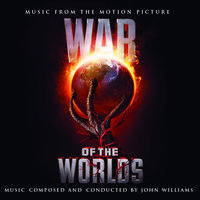
Canzone dall'album: War Of The Worlds
Nel genere:Музыка из фильмов
Data di rilascio:27.06.2005
Lingua della canzone:Inglese
Etichetta discografica:Universal Classics Group, universal music publishing
Seleziona la lingua in cui tradurre:
Scrivi cosa pensi del testo!
Altre canzoni dell'artista:
| Nome | Anno |
|---|---|
| 2001 | |
| 2004 | |
| 1999 | |
| 2021 | |
| 2004 | |
| 2005 | |
| 2012 | |
| 2005 | |
| 1979 | |
Oyf'n Pripetshok / Nacht Aktion ft. Ronit Shapira, Giora Feidman, The Li-Ron Herzeliya Children's Choir | 2007 |
| 2002 | |
| 2021 | |
| 2002 | |
| 1979 | |
| 1982 | |
| 1982 | |
| 2018 | |
| 2021 | |
| 2014 | |
| 2021 |