| Mrs. Mcgrath (originale) | Mrs. Mcgrath (traduzione) |
|---|---|
| «Mrs. | "Sig.ra. |
| McGrath,"the sergeant said, | McGrath," disse il sergente, |
| «Would you like a soldier | «Vorresti un soldato |
| Of your son, Ted? | Di tuo figlio, Ted? |
| With a scattered coat and a big cocked hat, | Con un cappotto sparso e un grande cappello a tricorno, |
| Mrs. McGrath wouldn you like that?» | Signora McGrath, le piacerebbe?» |
| With a too-ri-a, fo-diddle- di-a, | Con un too-ri-a, fo-diddle-di-a, |
| Too-ri-o-ri-o-ri-a | Troppo-ri-o-ri-o-ri-a |
| With a too-ri-a, fo-diddle-di-a | Con un troppo-ri-a, fo-diddle-di-a |
| Too-ri-o-ri-o-ri-a | Troppo-ri-o-ri-o-ri-a |
| Mrs. McGrath lived on the shore | La signora McGrath viveva sulla riva |
| For the space of seven long years or more | Per lo spazio di sette lunghi anni o più |
| She spied a ship come in to the bay | Ha spiato una nave entrare nella baia |
| With her son from far away | Con suo figlio da lontano |
| «Oh, Captain dear, where have ye been. | «Oh, caro Capitano, dove sei stato. |
| Ye been sailin' the Mediterranean'. | Hai navigato nel Mediterraneo'. |
| Have ye news of my son Ted. | Hai notizie di mio figlio Ted. |
| Is he livin' or is he dead?» | È vivo o è morto?» |
| With a too-ri-a, fo-diddle-di-a | Con un troppo-ri-a, fo-diddle-di-a |
| Too-ri-o-ri-o-ri-a | Troppo-ri-o-ri-o-ri-a |
| With a too-ri-a, fo-diddle-di-a | Con un troppo-ri-a, fo-diddle-di-a |
| Too-ri-o-ri-o-ri-a | Troppo-ri-o-ri-o-ri-a |
| There came Ted without any legs | È arrivato Ted senza gambe |
| And in their place two wooden pegs | E al loro posto due pioli di legno |
| She kissed him a dozen times or two | Lo baciò una dozzina di volte o due |
| And said «My god, Ted, is it you?» | E disse: "Mio dio, Ted, sei tu?" |
| «Now were ye drunk or were ye blind | «Ora eravate ubriachi o eravate ciechi |
| When ye left yer two fine legs behind? | Quando hai lasciato dietro le tue due belle gambe? |
| Or was it the walking upon the sea | O era il camminare sul mare |
| That tore your legs away?» | Che ti ha strappato le gambe?» |
| «No I wasn’t drunk and I wasn’t blind | «No, non ero ubriaco e non ero cieco |
| When I left my two fine legs behind. | Quando ho lasciato dietro le mie due belle gambe. |
| A cannon ball on the fifth of May | Una palla di cannone il 5 maggio |
| Tore my two fine legs away.» | Strappato le mie due belle gambe.» |
| With a too-ri-a, fo-diddle-di-a, | Con un too-ri-a, fo-diddle-di-a, |
| Too-ri-o-ri-o-ri-a | Troppo-ri-o-ri-o-ri-a |
| With a too-ri-a, fo-diddle-di-a | Con un troppo-ri-a, fo-diddle-di-a |
| Too-ri-o-ri-o-ri-a | Troppo-ri-o-ri-o-ri-a |
| «Now Teddy boy,"the widow cried | «Ora Teddy boy», gridò la vedova |
| «Yer two fine legs were your mother’s pride stumps | «Le tue due belle gambe erano i monconi d'orgoglio di tua madre |
| of a tree won’t do at all | di un albero non funzionerà affatto |
| Why didn’t ye run from the cannon ball?» | Perché non sei scappato dalla palla di cannone?» |
| With a too-ri-a, fo-diddle-di-a, | Con un too-ri-a, fo-diddle-di-a, |
| Too-ri-o-ri-o-ri-a | Troppo-ri-o-ri-o-ri-a |
| With a too-ri-a, fo-diddle-di-a | Con un troppo-ri-a, fo-diddle-di-a |
| Too-ri-o-ri-o-ri-a | Troppo-ri-o-ri-o-ri-a |
| «Now against all war, I do profrain | «Ora contro ogni guerra, mi profra |
| Between Don Juan and the King of Spain | Tra Don Juan e il re di Spagna |
| And, by herrons, I’ll make 'em rue the time | E, per herrons, li farò rimpiangere il tempo |
| When they swept the legs from a child of mine.» | Quando hanno spazzato le gambe a un mio figlio.» |
Traduzione del testo della canzone Mrs. Mcgrath - Pete Seeger, Big Bill Broonzy
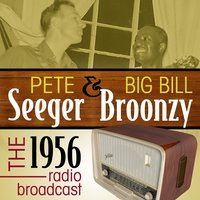
Informazioni sulla canzone In questa pagina puoi leggere il testo della canzone Mrs. Mcgrath , di -Pete Seeger
Canzone dall'album: The 1956 Radio Broadcast
Nel genere:Блюз
Data di rilascio:31.05.2013
Lingua della canzone:Inglese
Etichetta discografica:Master Classics
Seleziona la lingua in cui tradurre:
Scrivi cosa pensi del testo!
Altre canzoni dell'artista:
| Nome | Anno |
|---|---|
| 2010 | |
Missisipi River Blues ft. Bill Big Broonzy | 2006 |
| 2019 | |
| 2019 | |
| 2014 | |
| 2013 | |
| 2014 | |
| 2015 | |
| 2013 | |
| 2015 | |
| 2010 | |
| 2014 | |
| 2014 | |
| 2005 | |
| 2011 | |
| 2011 | |
| 2011 | |
| 2011 | |
| 2011 | |
| 2011 |