| Death And The Lady (originale) | Death And The Lady (traduzione) |
|---|---|
| As I walked out one morn in May | Mentre sono uscito una mattina di maggio |
| The birds did sing and the lambs did play | Gli uccelli cantavano e gli agnelli suonavano |
| The birds did sing and the lambs did play | Gli uccelli cantavano e gli agnelli suonavano |
| I met an old man | Ho incontrato un vecchio |
| I met an old man by the way | A proposito, ho incontrato un vecchio |
| His head was bald, his beard was grey | Aveva la testa calva, la barba grigia |
| His coat was of a myrtle shade | Il suo mantello era di una ombra di mirto |
| I asked him what strange countryman | Gli ho chiesto che strano connazionale |
| Or what strange | O che strano |
| Or what strange place he did belong | O a quale strano posto appartiene |
| «My name is Death, cannot you see? | «Mi chiamo Morte, non vedi? |
| Lords, Dukes and Ladies bow down to me | Lords, Dukes e Ladies si inchinano a me |
| And you are one of those branches three | E tu sei uno di quei rami tre |
| And you fair maid | E tu bella cameriera |
| And you fair maid must come with me» | E tu bella fanciulla devi venire con me» |
| «I'll give you gold and jewels rare | «Ti darò oro e gioielli rari |
| I’ll give you costly robes to wear | Ti darò delle vesti costose da indossare |
| I’ll give you all my wealth in store | Ti darò tutta la mia ricchezza in negozio |
| If you’ll let me live | Se mi lasci vivere |
| If you’ll let me live a few years more» | Se mi lasci vivere ancora qualche anno» |
| «Fair lady, lay your robes aside | «Bella signora, metti da parte le tue vesti |
| No longer glory in your pride | Non più gloria nel tuo orgoglio |
| And now, sweet maid, make no delay | E ora, dolce fanciulla, non tardare |
| Your time is come | La tua ora è venuta |
| Your time is come and you must away» | Il tuo momento è giunto e devi andartene» |
| And not long after this fair maid died | E non molto tempo dopo la morte di questa bella fanciulla |
| «Write on my tomb,» the lady cried | «Scrivi sulla mia tomba», gridò la signora |
| «Here lies a poor distressed maid | «Qui giace una povera serva angosciata |
| Whom Death now lately | Chi Morte ora ultimamente |
| Whom Death now lately hath betrayed» | Che la morte ora ha tradito ultimamente» |
Traduzione del testo della canzone Death And The Lady - Shirley & Dolly Collins
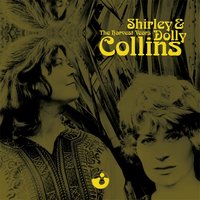
Informazioni sulla canzone In questa pagina puoi leggere il testo della canzone Death And The Lady , di -Shirley & Dolly Collins
Canzone dall'album: The Harvest Years
Nel genere:Поп
Data di rilascio:03.08.2008
Lingua della canzone:Inglese
Etichetta discografica:Parlophone
Seleziona la lingua in cui tradurre: