| Mr Charlie - Parts 1 & 2 (originale) | Mr Charlie - Parts 1 & 2 (traduzione) |
|---|---|
| Once in the country there was a little boy; | Una volta in campagna c'era un ragazzino; |
| every morning that he would go to | ogni mattina in cui sarebbe andato |
| the table with his little two sisters and brothers, you know, he would go there, | la tavola con le sue due sorelline e fratellini, si sa, lui sarebbe andato lì, |
| he couldn’t talk but his mother didn’t know what was wrong with him so… | non poteva parlare ma sua madre non sapeva cosa c'era che non andava in lui, quindi... |
| she would go to the table in the morning, she would fix for breakfast, | la mattina andava a tavola, si preparava per la colazione, |
| she’d fix toast and coffee, enough, coffee for the tin, toast for the eggs for | preparava pane tostato e caffè, abbastanza, caffè per la latta, pane tostato per le uova |
| the church, then she would ask and say, «what you want this morning? | la chiesa, poi chiedeva e diceva: «che cosa vuoi stamattina? |
| «Oh mama, toast and milk, you know things like that you know. | «Oh mamma, toast e latte, sai cose del genere sai. |
| But the little | Ma il piccolo |
| old boy he couldn’t talk good, so she asked him say «what you want son»? | vecchio ragazzo non sapeva parlare bene, quindi lei gli ha chiesto di dire «cosa vuoi figliolo»? |
| Said «sa-sa-a I want-t t-t-t-» She said «Hush». | Ha detto "sa-sa-a, voglio-t-t-t-" Ha detto "Silenzio". |
| Say «I tell you what to do. | Dì «Ti dico cosa devi fare. |
| You just hush, I just go bring you what I bring the rest of 'em, | Stai zitto, ti porto solo quello che porto il resto di loro, |
| cause one of these days I’m gonna learn you how to talk.» | perché uno di questi giorni ti imparerò a parlare.» |
| She goin' back and she fixes, the next morning same thing. | Torna indietro e si aggiusta, la mattina dopo la stessa cosa. |
| «So what would you | «Allora cosa vorresti |
| children want this morning?» | vogliono i bambini stamattina?» |
| «Butter 'n toast mama.» | «Mamma burro e pane tostato.» |
| Get around to the little | Vai in giro per il piccolo |
| old boy, say «What you want»? | vecchio mio, di' «Cosa vuoi»? |
| He say, «bu-bu-bu- bu-bu-bu…» she say «Lord, | Lui dice «bu-bu-bu- bu-bu-bu…», lei dice «Signore, |
| have mercy,» that’s what mama said and she walked away, say «wonder what’s | abbi pietà», è quello che ha detto la mamma e si è allontanata, di' «chissà cos'è |
| wrong with my child?» | sbagliato con mio figlio?» |
| He heard her. | L'ha sentita. |
| But you know the little boy couldn’t do no better. | Ma sai che il ragazzino non potrebbe fare di meglio. |
| So after he’d find out that mama couldn’t understand him, and he couldn’t | Quindi dopo aver scoperto che la mamma non poteva capirlo e lui no |
| understand the way his mama was doin' him, he packed up his little flower sack, | capire il modo in cui sua madre lo stava facendo, ha confezionato il suo piccolo sacco di fiori, |
| and he decide that he would leave | e decide che se ne sarebbe andato |
| So when he left, on his way, he run up on a old rollin' mill, what they call | Così, quando se ne è andato, per la strada, si è imbattuto in un vecchio laminatoio, quello che chiamano |
| Mister Charlie’s. | Il signor Charlie. |
| So he walked up to mister Charlie, mister Charlie was workin' | Quindi si avvicinò al signor Charlie, il signor Charlie stava lavorando |
| round in his rose bushes 'n things… so he taps him: «mi-mi-mi…» say «Mister! | in giro tra i suoi cespugli di rose e le cose... così gli tocca: «mi-mi-mi...» dice «Mister! |
| «But he didn’t know his name that time. | «Ma quella volta non sapeva il suo nome. |
| The man straightened up and said «my name is mister Charlie». | L'uomo si raddrizzò e disse: «Mi chiamo mister Charlie». |
| He say «mi-mi-ch-ch-ch-ch-» He said «but boy I ain’t got to fool with you, you can’t work.» | Dice «mi-mi-ch-ch-ch-ch-» Dice «ma ragazzo non devo prenderti in giro, non puoi lavorare». |
| He said, «me-me can work! | Disse: «io-io posso lavorare! |
| So the man went on workin' and he’d tap him again. | Quindi l'uomo ha continuato a lavorare e l'avrebbe toccato di nuovo. |
| He said «me-me-me wanna home» | Ha detto "io-me-me-voglio casa" |
| . | . |
| He said «look, boy, I’ve got a old bunk house out in the back,» said «and if you promise me that you will stay in this bunk house, and watch my mill, | Disse: «Guarda, ragazzo, ho una vecchia casa a castello là fuori», disse «e se mi prometti che rimarrai in questa casa a castello e guarderai il mio mulino, |
| and keep the fire from burning my mill down,» say «I live two blocks up the | e impedisci al fuoco di bruciare il mio mulino», dico «Vivo due isolati più in su |
| road,» say «and if you see the mill’s on fire, say you run up and tell me the | strada», dì «e se vedi il mulino in fiamme, dimmi di correre e dimmi il |
| mill’s on fire, you got a home and meal as long as I’ve got it.» | il mulino è in fiamme, hai una casa e un pasto finché ce l'ho io.» |
| «Ta-ta-ta-ta-thank you mister Charlie.» | «Ta-ta-ta-ta-grazie signor Charlie.» |
| So the little old boy went to bunkin' | Quindi il ragazzino è andato a bunkin' |
| that night | quella notte |
| Sho' enough, late one Sunday morning, mister Charlie’s mill caught on fire. | Basta, una domenica mattina tardi, il mulino del signor Charlie ha preso fuoco. |
| Which he’d forgot about what he had told the little boy. | Che aveva dimenticato di quello che aveva detto al ragazzino. |
| The little boy run up | Il ragazzino corre |
| to him, he was cleaning out his front yard, makin' it beautiful with them rose | a lui, stava ripulendo il suo cortile, rendendolo bello con loro rose |
| bushes, you know with them red rose bushes you know how to keep 'em red those | cespugli, sai che con quei cespugli di rose rosse sai come tenerli rossi quelli |
| rose bushes, and the little boy run up there, tapped him on his back, | cespugli di rose, e il ragazzino corse lassù, gli diede un colpetto sulla schiena, |
| and he raised up and said «Hey son, why here’s you again.» | e lui si alzò e disse: «Ehi figliolo, perché ci sei di nuovo». |
| «Ye-ye-ye-ye-ye-ye-ye» and he was pointing back toward the mill, | «Ye-ye-ye-ye-ye-ye-ye» e indicava di nuovo il mulino, |
| tryin' to tell him his rollin' mill was on fire. | cercando di dirgli che il suo laminatoio era in fiamme. |
| So mister Charlie said, «I ain’t got time to fool with you.» | Quindi il signor Charlie ha detto: "Non ho tempo per prenderti in giro". |
| So the little boy stuttered too bad for him | Quindi il ragazzino balbettava troppo per lui |
| to understand. | capire. |
| So mister Charlie stooped over him again, he pat him on the back, | Quindi il signor Charlie si chinò di nuovo su di lui, gli diede una pacca sulla schiena, |
| said «ye-ye-ye-ye-your ro-ro-» he said «Wait a minute.» | disse «ye-ye-ye-ye-your ro-ro-» disse «Aspetta un minuto». |
| He said, «if you can’t talk you must sing», and he hollered: | Disse: «se non sai parlare devi cantare», e gridò: |
| (sung) | (cantato) |
| Whooooooa mister Charlie, do you know your rolling mill is burnin' down? | Whooooooa signor Charlie, lo sai che il tuo laminatoio sta bruciando? |
| Mister Charlie, do you know your rolling mill is burnin' down? | Signor Charlie, lo sa che il suo laminatoio sta bruciando? |
| Mister Charlie said if you ain’t got no water boy, just let that old mill burn | Il signor Charlie ha detto che se non hai un ragazzo dell'acqua, lascia che quel vecchio mulino bruci |
| on down | in giu |
| Little boy was lonesome, he walked off and cried, he said, | Il ragazzino era solo, se ne andò e pianse, disse, |
| He walked back and he said it one more time | Tornò indietro e lo disse ancora una volta |
| Whooooooooa mister Charlie, I won’t have no place to stay | Whoooooooooa signor Charlie, non avrò nessun posto dove stare |
| Mister Charlie, I won’t have no place to stay | Signor Charlie, non avrò nessun posto dove stare |
| Mister Charlie said Boy, you’ll have a home with me, just as long as there is a | Il signor Charlie ha detto Ragazzo, avrai una casa con me, purché ci sia un |
| day | giorno |
| Little boy sighed and he tell it one more time | Il ragazzino sospirò e lo raccontò ancora una volta |
| He hollered at him: | Gli urlò: |
| Whooooooa mister Charlie, do you know your rolling mill is burnin' down? | Whooooooa signor Charlie, lo sai che il tuo laminatoio sta bruciando? |
| Mister Charlie, do you know your rolling mill is burnin' down? | Signor Charlie, lo sa che il suo laminatoio sta bruciando? |
| Mister Charlie said, «If you ain’t got no water boy, just let that old mill | Il signor Charlie disse: «Se non hai il ragazzo dell'acqua, lascia che quel vecchio mulino |
| burn on down» | bruciare» |
Traduzione del testo della canzone Mr Charlie - Parts 1 & 2 - Lighnin' Hopkins
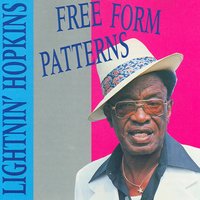
Informazioni sulla canzone In questa pagina puoi leggere il testo della canzone Mr Charlie - Parts 1 & 2 , di -Lighnin' Hopkins
Nel genere:Иностранный рок
Data di rilascio:22.07.2009
Lingua della canzone:Inglese
Seleziona la lingua in cui tradurre:
Scrivi cosa pensi del testo!
Altre canzoni dell'artista:
| Nome | Anno |
|---|---|
| 1971 | |
| 2019 | |
| 1990 | |
| 1988 | |
| 2024 | |
| 1971 | |
| 2024 | |
| 2005 | |
| 2005 | |
| 2017 | |
| 2005 | |
| 2005 | |
| 2013 | |
| 2009 | |
| 2013 | |
| 2016 |