| How Stands the Glass Around? (originale) | How Stands the Glass Around? (traduzione) |
|---|---|
| How stands the glass around? | Come sta il vetro intorno? |
| For shame you take no care, my boys | Peccato che non ti preoccupi, ragazzi miei |
| How stands the glass around? | Come sta il vetro intorno? |
| Let wine and mirth abound | Lascia che il vino e l'allegria abbondino |
| The trumpet sounds | La tromba suona |
| The colors they do fly, my boys | I colori che volano, ragazzi miei |
| To fight, kill or wound | Per combattere, uccidere o ferire |
| As you would be found | Come saresti stato trovato |
| Connected with hard fare, my boys | Collegato con la tariffa alta, i miei ragazzi |
| On the cold ground | Su terreno freddo |
| Why, soldiers, why? | Perché, soldati, perché? |
| Must we be melancholy boys | Dobbiamo essere ragazzi malinconici |
| Why, soldiers, why? | Perché, soldati, perché? |
| Whose business is to die | Il cui affare è morire |
| What sighing? | Che sospiro? |
| Fye! | Accidenti! |
| Drink on. | Bevi. |
| drown fear, be jolly, boys | affogare la paura, siate allegri, ragazzi |
| Tis he, you or I | È lui, tu o io |
| Wet, hot, cold or dry | Bagnato, caldo, freddo o secco |
| We’re always bound to follow, boys | Siamo sempre tenuti a seguire, ragazzi |
| And scorn to fly | E disprezzo di volare |
| Tis but vain | È solo vano |
| I mean not to upbraid you boys | Intendo non rimproverarvi ragazzi |
| Tis but vain | È solo vano |
| For a soldier to complain | Per un soldato si lamenta |
| Should next campaign | Dovrebbe la prossima campagna |
| Send us to him that made us boys | Inviaci a colui che ci ha resi ragazzi |
| We’re free from pain | Siamo liberi dal dolore |
| But should we remain | Ma dovremmo rimanere |
| A bottle and kind landlady | Una bottiglia e gentile padrona di casa |
| Cures all again | Cura tutto di nuovo |
Traduzione del testo della canzone How Stands the Glass Around? - Wilderun
Informazioni sulla canzone In questa pagina puoi leggere il testo della canzone How Stands the Glass Around? , di -Wilderun
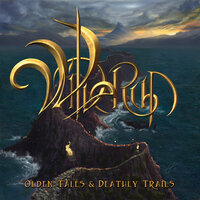
Canzone dall'album: Olden Tales & Deathly Trails
Nel genere:Фолк-метал
Data di rilascio:20.09.2012
Lingua della canzone:Inglese
Etichetta discografica:Wilderun
Seleziona la lingua in cui tradurre: