| Die Geschichte Einer Mutter (originale) | Die Geschichte Einer Mutter (traduzione) |
|---|---|
| Sie hatte ein Kindlein | Ha avuto un figlio |
| So schwach, wie ein Keim unter’m Schnee | Debole come un germe sotto la neve |
| Dann klopfte jemand an die Tür | Poi qualcuno bussò alla porta |
| Kam herein, nahm den Kleiner und fuhr | È entrato, ha preso il piccolo e ha guidato |
| …es war der Tod | ...era la morte |
| She had a small child | Aveva un bambino piccolo |
| So weak, like a seed under the snow | Così debole, come un seme sotto la neve |
| Then someone knocked at the door | Poi qualcuno bussò alla porta |
| Came in, took the small one and left | Entrò, prese quella piccola e se ne andò |
| …it was Death | ...era la morte |
| Sagt mir, Nacht und Wasser | Dimmi notte e acqua |
| Wo’st mein Kind˜ | Dov'è mio figlio˜ |
| Geh mal durch die Wälder | Attraversa il bosco |
| Und du findest’s | E lo trovi |
| ''Tell me, Night and Water | ''Dimmi, Notte e Acqua |
| Where’s my child˜'' | Dov'è mio figlio˜'' |
| ''Go at once through the woods | ''Vai subito attraverso il bosco |
| And you’ll find him'' | E lo troverai'' |
| Die Mutter, sie weinte | La madre, piangeva |
| Und sie lief durch die Wälder so tief | E correva attraverso i boschi così in profondità |
| Sie sah ein Treibhaus dort fern | Guardava una serra laggiù |
| Ging dahin, sie spürte ihr Kind war da | Andata lì, sentiva che suo figlio era lì |
| The mother cried | La madre piangeva |
| And she ran through the woods so deep | E correva attraverso i boschi così in profondità |
| She saw a hothouse in the distance | Vide una serra in lontananza |
| Went there, she felt her child was there | Andata lì, sentiva che suo figlio era lì |
| Sag mir, weiser Gärtner | Dimmi, saggio giardiniere |
| Wo’st mein Kind˜ | Dov'è mio figlio˜ |
| Such mal unter’n Blumen | Guarda sotto un fiore |
| Und du findest’s | E lo trovi |
| ''Tell me, wise gardener | ''Dimmi, saggio giardiniere |
| Where’s my child ˜'' | Dov'è mio figlio ˜'' |
| ''Search under the flowers | ''Cerca sotto i fiori |
| And you’ll find him'' | E lo troverai'' |
| Sie fand ihr Kindlein | Ha trovato suo figlio |
| Kleiner Keim, mit dem Puls so schwach | Piccolo germe, con il polso così debole |
| Dann kam der Tod in das Treibhaus | Poi la morte è entrata nella serra |
| Es blieb kalt, ihre Hände kalt wie Eis. | Rimase fredda, le sue mani fredde come il ghiaccio. |
| She found her child | Ha trovato suo figlio |
| The small little seed, with a pulse so weak | Il piccolo piccolo seme, con un impulso così debole |
| Then Death entered the hothouse | Poi la Morte è entrata nella serra |
| It grew cold, her hands cold as ice | Diventa freddo, le sue mani fredde come il ghiaccio |
| Hör mal, arme Mutter | Ascolta, povera madre |
| Dein Liebling | Il tuo tesoro |
| Hätte nie gesund und froh gelebt | Non avrei mai vissuto sano e felice |
| Reich mir dieses Keimchen, bitte dich | Passami questo seme, per favore |
| Und sein Herzchen sende ruh. | E il suo cuoricino manda riposo. |
| ''Listen to me, poor mother | ''Ascoltami, povera madre |
| Your darling | Il tuo tesoro |
| Would never have a healthy and joyfull life | Non avrebbe mai avuto una vita sana e gioiosa |
| Hand me this little seedling, I beg you | Passami questa piccola piantina, ti prego |
| And put his little heart to rest.'' | E metti a riposare il suo cuoricino.'' |
| The booklet says «woh'st», clearly a typo | Il libretto dice «woh'st», chiaramente un errore di battitura |
| The child can be either a girl or boy in the German version | Il bambino può essere una ragazza o un ragazzo nella versione tedesca |
| I believe this was meant to be «Es wurde kalt». | Credo che questo doveva essere «Stava facendo freddo». |
| «Werden», «bleiben» and «sein» | «Diventare», «stare» ed «essere» |
| are easily mixed | si mescolano facilmente |
| Up | su |
| Anneli sings «herzen» which means «heart», not «little heart» | Anneli canta «herzen» che significa «cuore», non «piccolo cuore» |
| Translation by Anne Deslattes, some adjustments by Ulrich Grepel and Kjetil T. | Traduzione di Anne Deslattes, alcuni aggiustamenti di Ulrich Grepel e Kjetil T. |
| Homme | uomo |
Traduzione del testo della canzone Die Geschichte Einer Mutter - Bel Canto
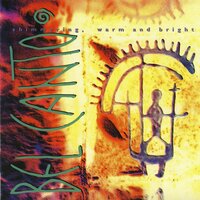
Informazioni sulla canzone In questa pagina puoi leggere il testo della canzone Die Geschichte Einer Mutter , di -Bel Canto
Canzone dall'album: Shimmering, Warm and Bright
Nel genere:Поп
Data di rilascio:31.12.1991
Lingua della canzone:Tedesco
Etichetta discografica:Continuum
Seleziona la lingua in cui tradurre:
Scrivi cosa pensi del testo!
Altre canzoni dell'artista:
| Nome | Anno |
|---|---|
| 1991 | |
| 1989 | |
| 1991 | |
| 1991 | |
| 1991 | |
| 1991 | |
| 1991 | |
| 1989 | |
| 1991 | |
| 1991 | |
| 1989 | |
| 2008 | |
| 1986 | |
| 1986 | |
| 1989 | |
| 1989 | |
| 2003 | |
| 1997 | |
| 1997 | |
| 1997 |