| Change (originale) | Change (traduzione) |
|---|---|
| You walked into the room, I just had to laugh | Sei entrato nella stanza, dovevo solo ridere |
| The face you wore was cool, you were a photograph | Il viso che indossavi era bello, eri una foto |
| When it’s all too late, it’s all too late | Quando è troppo tardi, è tutto troppo tardi |
| I did not have the time, I did not have the nerve | Non ho avuto il tempo, non ho avuto il coraggio |
| To ask you how you feel, is this what you deserve | Chiederti come ti senti, è questo ciò che meriti |
| When it’s all too late, it’s all too late? | Quando è troppo tardi, è tutto troppo tardi? |
| Change, you can change | Cambia, puoi cambiare |
| Change, you can change | Cambia, puoi cambiare |
| And something on your mind became a point of view | E qualcosa nella tua mente è diventato un punto di vista |
| I lost your honesty, you lost the life in you | Ho perso la tua onestà, hai perso la vita in te |
| When it’s all too late, it’s all too late | Quando è troppo tardi, è tutto troppo tardi |
| We walk and talk in time, I walk and talk in too | Camminiamo e parliamo a tempo, anch'io cammino e parlo |
| Where does the end of me become the start of you | Dove la fine di me diventa l'inizio di te |
| When it’s all too late, it’s all too late | Quando è troppo tardi, è tutto troppo tardi |
| Change, you can change | Cambia, puoi cambiare |
| Change, you can change | Cambia, puoi cambiare |
| What has happened to the friend that I once knew? | Cosa è successo all'amico che conoscevo una volta? |
| Has he gone away? | È andato via? |
| When it’s all too late, it’s all too late | Quando è troppo tardi, è tutto troppo tardi |
| Change | Modificare |
| Change, you can change | Cambia, puoi cambiare |
| Change, you can change | Cambia, puoi cambiare |
| Change, you can change | Cambia, puoi cambiare |
Traduzione del testo della canzone Change - Tears For Fears
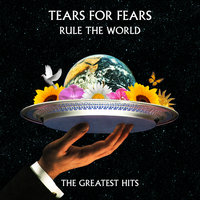
Informazioni sulla canzone In questa pagina puoi leggere il testo della canzone Change , di -Tears For Fears
Canzone dall'album: Rule The World: The Greatest Hits
Nel genere:Иностранный рок
Data di rilascio:09.11.2017
Lingua della canzone:Inglese
Etichetta discografica:Virgin EMI Records
Seleziona la lingua in cui tradurre:
Scrivi cosa pensi del testo!
Altre canzoni dell'artista:
| Nome | Anno |
|---|---|
| 2017 | |
| 2013 | |
| 2013 | |
| 2017 | |
| 2017 | |
| 1989 | |
| 1992 | |
| 1989 | |
| 1989 | |
| 2013 | |
| 2012 | |
| 2012 | |
| 2017 | |
| 1996 | |
| 1992 | |
| 1992 | |
| 2017 | |
| 2022 | |
| 1992 | |
| 2013 |