| Bonny Birdy (originale) | Bonny Birdy (traduzione) |
|---|---|
| O it’s of a knight on a summer’s night | O è di un cavaliere in una notte d'estate |
| Was riding o’er the lee, diddle | Stava cavalcando sottovento, diddle |
| There he spied a bonny bird | Lì ha spiato un uccellino |
| Sitting upon a tree. | Seduto su un albero. |
| Singing: | Cantando: |
| «Wow for the day! | «Wow per la giornata! |
| An gin it for the day! | Un gin it per la giornata! |
| Oh gin it were day | Oh, gin, era giorno |
| And gin I were away! | E gin, ero via! |
| I ha na lang time to stay.» | Non ho molto tempo per restare.» |
| diddle | diddle |
| «O make hast, make hast, ye gentle knight | «Oh, affrettati, affrettati, gentile cavaliere |
| What keeps you here so late? | Cosa ti tiene qui così in ritardo? |
| diddle | diddle |
| Gin ye kent what’s doing at hame | Gin ye kent cosa sta facendo a hame |
| I fear ye would look blate» diddle | Temo che sembrerai sfacciato» diddle |
| «O why should I toil day and night | «Oh perché dovrei faticare giorno e notte |
| My fair body to kill | Il mio bel corpo da uccidere |
| For ninety knights at my command | Per novanta cavalieri al mio comando |
| An ladys at my will?» | Una donna a mia volontà?» |
| «O ye lee ye lee ye gentle knight | «O lee lee lee you gentile cavaliere |
| So loud I hear you lee: diddle | Così forte che ti sento Lee: diddle |
| There’s a knight in your lady’s arms | C'è un cavaliere tra le braccia della tua signora |
| And she lees better than thee.» | E lei vive meglio di te». |
| diddle | diddle |
| «Ye lee, you lee you bonny bird | «Ye lee, tu Lee, grazioso uccellino |
| But you’ll no lee again | Ma non ti abbandonerai di nuovo |
| For I will tak my bonny bow | Perché porterò il mio bel inchino |
| An split your head in twain.» | Una spacca la testa in due.» |
| «But afore ye hae your bow well bent | «Ma davanti a te hai il tuo arco ben piegato |
| An a' your arrows yare, diddle | E le tue frecce sono, diddle |
| I will flee tae another tree | fuggirò da un altro albero |
| Where I may better fare.» | Dove potrei andare meglio.» |
| diddle | diddle |
| «O whare was ye gotten, and whare was ye clecked? | «Oh, da dove sei stato preso, e da dove sei stato colpito? |
| Pray bonny birdy, tell me:» | Per favore, uccellino, dimmi:» |
| «O it was in the green wood | «Oh, era nel bosco verde |
| Intill a holly tree | Fino a un albero di agrifoglio |
| «An a gentleman came riding by | «È passato un signore |
| An frae my nest he herryed me | Fra il mio nido mi ha invitato |
| Put me in a silver cage | Mettimi in una gabbia d'argento |
| An ga me to his lady.» | An ga me alla sua signora.» |
| «Then wi good white bread an farrow-cow milk | «Poi con buon pane bianco e latte di mucca |
| He bade her feet me aft | Mi ha fatto cenno con i piedi a poppa |
| An ga her a little wee simmer-dale wanny | E lei un po' sgualdrina |
| To ding me sindle and saft | A ding me sindle e sicuro |
| But wi good white bread an farrow-cow milk | Ma con del buon pane bianco e del latte di mucca |
| I wot she fed me nought | Non non mi ha dato da mangiare |
| An wi a little wee simmer-dale wanny | E con un po' di simmer-dale wanny |
| She dang me sare and aft." | Mi ha sbattuto a poppa". |
| «Time he was away | «È ora che non c'era |
| O time he was away | Oh ora che fosse via |
| For he that’s in bed | Per lui che è a letto |
| Wi’s another man’s wife | Wi è la moglie di un altro uomo |
| It’s time he was away.» | È ora che sia via.» |
| diddle | diddle |
| So the knight he rade, and the birdy flew … | Quindi il cavaliere ha cavalcato e l'uccellino ha volato... |
| «Lie still, lie still, ye gentle knight | «Stai fermo, rimani fermo, o gentile cavaliere |
| What makes ye toss an turn?» | Cosa ti fa girare di nuovo?» |
| «A birdy sang an it troubles me | «Un uccellino cantava e mi turbava |
| An I fear a coming storm.» | E temo una tempesta in arrivo.» |
| «But is no your hawk upon its perch? | «Ma il tuo falco non è sul suo trespolo? |
| Your horse eats oats and hay | Il tuo cavallo mangia avena e fieno |
| An ye’ve a lady in your arms | E hai una signora tra le tue braccia |
| How can ye wish for day?» | Come puoi desiderare il giorno?» |
| diddle | diddle |
| So he’s turned himself at o’er again | Quindi si è rivoltato di nuovo |
| To take a little sleep | Per dormire un po' |
| And when he awoke the lady’s lord | E quando svegliò il signore della dama |
| Was standing at their feet. | Era in piedi ai loro piedi. |
| Crying: | Pianto: |
| «Wow for the day | «Wow per la giornata |
| For he that’s in bed wi another’s man wife | Perché colui che è a letto con la moglie di un altro |
| It’s time he was away» diddle | È ora che sia via» diddle |
| So then he’s taken out his sword | Quindi poi ha estratto la sua spada |
| An straiked it o’er a strae | L'ho colpito su una strada |
| An thro an thro the false knight’s heart | An thro and thro il cuore del falso cavaliere |
| He 's gard cauld iron gae. | È Gard Cald Iron Gae. |
| diddle | diddle |
| Then he’s darked the windows up secure | Poi ha oscurato i finestrini al sicuro |
| With muttle shudders sprang | Con dei brividi mormorati sorsero |
| An there was neither sun nor sky | E non c'era né sole né cielo |
| But darkness in her room. | Ma l'oscurità nella sua stanza. |
| She cries: | Lei piange: |
| «Wow for the day! | «Wow per la giornata! |
| An gin it for the day! | Un gin it per la giornata! |
| Oh gin it were day | Oh, gin, era giorno |
| And gin I were away! | E gin, ero via! |
| I can na langer stay.» | Non posso restare.» |
| diddle | diddle |
| «Wow for the day! | «Wow per la giornata! |
| An gin it for the day! | Un gin it per la giornata! |
| For there was never a living soul | Perché non c'è mai stata un'anima viva |
| That ever came our way.» | Questo ci è mai capitato.» |
| diddle | diddle |
Traduzione del testo della canzone Bonny Birdy - Steeleye Span
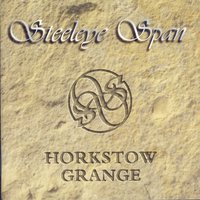
Informazioni sulla canzone In questa pagina puoi leggere il testo della canzone Bonny Birdy , di -Steeleye Span
Canzone dall'album: Horkstow Grange
Nel genere:Фолк-рок
Data di rilascio:03.05.2009
Lingua della canzone:Inglese
Etichetta discografica:Park
Seleziona la lingua in cui tradurre:
Scrivi cosa pensi del testo!
Altre canzoni dell'artista:
| Nome | Anno |
|---|---|
| 1970 | |
| 1970 | |
| 2015 | |
| 1970 | |
| 2015 | |
| 1970 | |
| 2005 | |
| 2003 | |
| 2009 | |
| 1970 | |
| 2015 | |
| 2014 | |
| 2006 | |
| 2010 | |
| 2014 | |
| 2015 | |
| 2014 | |
| 2014 | |
You ft. Steeleye Span | 2014 |
| 2014 |