| Familiar Expressions (originale) | Familiar Expressions (traduzione) |
|---|---|
| This next thing. | Questa prossima cosa. |
| This next thing is about the English language. | La prossima cosa riguarda la lingua inglese. |
| Its about little expressions we use. | Si tratta di piccole espressioni che usiamo. |
| The little expressions, we all use them all the time. | Le piccole espressioni, le usiamo tutti sempre. |
| And we never really seem to examine these expressions very carefully at all. | E non sembriamo mai esaminare queste espressioni con molta attenzione. |
| We just sort of say these things, as if they really made sense. | Diciamo semplicemente queste cose, come se avessero davvero un senso. |
| Like. | Piace. |
| “Legally Drunk”. | "Legalmente ubriaco". |
| Well if its legal? | Beh, se è legale? |
| Whats the fuckin’ problem!? | Qual è il fottuto problema!? |
| Hey! | Ehi! |
| Leave my friend alone officer, he’s legally drunk!” | Lascia stare il mio amico ufficiale, è legalmente ubriaco! |
| You know you can stick it. | Sai che puoi attaccarlo. |
| Why do we always assume people can know where they can stick it? | Perché diamo sempre per scontato che le persone sappiano dove possono attaccarlo? |
| Suppose you don’t know, suppose your a new guy. | Supponiamo che tu non lo sappia, supponiamo che tu sia un ragazzo nuovo. |
| You have absolutely no idea where to stick it. | Non hai assolutamente idea di dove attaccarlo. |
| I think there ought to be a government title on “Where to Stick it”. | Penso che dovrebbe esserci un titolo governativo su "Dove attaccarlo". |
| Now that i think of it, i belive there is a government booklet like that, they send it to ya on April 15th. | Ora che ci penso, credo che ci sia un opuscolo del governo come quello, te lo mandano il 15 aprile. |
| Undisputed Heavyweight Champion. | Campione indiscusso dei pesi massimi. |
| Well if its undisputed, whats all the fighting about? | Bene, se è indiscusso, di cosa si tratta? |
| It’s the quiet ones ya gotta watch. | Sono quelli silenziosi che devi guardare. |
| Ya know that one eh? | Sai quello eh? |
| Everytime ya see a story about a serial killer on T.V. What do they do? | Ogni volta che vedi una storia su un serial killer in TV, cosa fanno? |
| they bring on the neighbor. | attirano il prossimo. |
| And the neighbor says “Well, he was always very quiet.” | E il vicino dice "Beh, è sempre stato molto tranquillo". |
| And someone in the room says “Its the quiet ones ya gotta watch. | E qualcuno nella stanza dice "Sono quelli silenziosi che devi guardare. |
| This sounds to me like a very dangerous assumption. | Questo mi suona come un presupposto molto pericoloso. |
| I will bet you anything that while your watching a quiet one, a noisy one will fucking kill you! | Scommetto qualsiasi cosa che mentre ne guardi uno tranquillo, uno rumoroso ti ucciderà, cazzo! |
| Suppose your in a bar and one guy is reading a book not bothering anybody and another is standing in the front with a machete banging on the door saying “I’LL KILL THE NEXT MOTHER FUCKER WHO COMES IN HERE!” | Supponiamo che tu sia in un bar e un ragazzo stia leggendo un libro che non infastidisce nessuno e un altro sia in piedi davanti con un machete che bussa alla porta dicendo "UCCIDERÒ LA PROSSIMA MADRE DI SCOPATA CHE VIENE QUI!" |
| ……who ya gonna watch? | ……chi guarderai? |
| Ya goddam right. | Hai dannatamente ragione. |
| Lock em up and throw away the key. | Rinchiudili e butta via la chiave. |
| This is really stupid. | Questo è davvero stupido. |
| Where ya gonna throw the key? | Dove getterai la chiave? |
| Right out in front of the jail? | Proprio davanti al carcere? |
| His friends will find it! | I suoi amici lo troveranno! |
| How far can you throw a key? | Quanto lontano puoi lanciare una chiave? |
| 60. 50 feet at the most. | 60. 50 piedi al massimo. |
| Even if ya lay it flat on its side like that, and scale it. | Anche se lo adagiate su un lato in quel modo e lo ridimensionate. |
| Waddya get? | Waddya ottenere? |
| An extra 10 feet, tops. | 10 piedi in più, al massimo. |
| This is a stupid idea. | Questa è un'idea stupida. |
| Needs to be completely rethought. | Ha bisogno di essere completamente ripensato. |
| Down the tubes. | Giù per i tubi. |
| Hear that one a lot, the people say “Ahhh the country is goin’ down the tubes” …..What tubes? | Lo sento spesso, la gente dice "Ahhh il paese sta andando in malora" …..Quali tubi? |
| Have you seen any tubes? | Hai visto dei tubi? |
| Where are these tubes? | Dove sono questi tubi? |
| And where do they go? | E dove vanno? |
| And how come there’s more then one tube? | E come mai c'è più di un tubo? |
| It would seem to me, one country, one tube. | Mi sembrerebbe, un paese, un tubo. |
| What, does every state have to have its own tube now? | Cosa, ogni stato deve avere il proprio tubo adesso? |
| One tube is all ya need. | Un tubo è tutto ciò di cui hai bisogno. |
| But a tube that big, somebody would have seen it by now. | Ma un tubo così grande, qualcuno l'avrebbe già visto. |
| “somebody would of been like “hey, Joey, joey, look at the fuckin’ tube” Big ass fuckin’ tube ova here. | "qualcuno sarebbe stato tipo" ehi, Joey, joey, guarda il fottuto tubo" Grandi ovaie del tubo del culo qui. |
| Ya never hear that. | Non lo senti mai. |
| Ya know why? | Sai perché? |
| No tubes. | Niente tubi. |
| We don’t have tube 1. We are essentially, tubeless. | Non abbiamo il tubo 1. Siamo essenzialmente tubeless. |
| Takes the cake. | Prende la torta. |
| Ya know, say “Boy he really takes the cake”……Where? | Sai, dì "Ragazzo, lui prende davvero la torta"……Dove? |
| Where do ya take a cake? | Dove prendi una torta? |
| to the movies? | al cinema? |
| Ya know where i would take a cake, down to the bakery, to see the otha cakes. | Sai dove porterei una torta, giù in pasticceria, a vedere le altre torte. |
| And how come he takes the cake, how come he doesn’t take the pie? | E come mai prende la torta, come mai non prende la torta? |
| The pie is easier carrying then the cake. | La torta è più facile da trasportare della torta. |
| Easy as pie. | Facile come una torta. |
| Hey,wait. | Hey aspetta. |
| Cake is not too hard to carry either. | Anche la torta non è troppo difficile da trasportare. |
| Piece of cake. | Pezzo di torta. |
| The greatest thing since sliced bread! | La cosa più bella dopo il pane a fette! |
| So this is it, huh folks? | Quindi è così, eh gente? |
| Couple hundred thousand years, The fuckin’ pyramids for christ sake! | Duecentomila anni, le fottute piramidi per l'amor di Cristo! |
| Panama Canal! | Canale di Panama! |
| The great wall of China! | La grande Muraglia cinese! |
| Even a lava lamp. | Anche una lampada di lava. |
| To me is greater then sliced bread. | Per me è più grande del pane a fette. |
| Whats so great about sliced bread? | Cosa c'è di così bello nel pane a fette? |
| Ya got a knife, ya got a loaf of bread, SLICE THE FUCKIN’ THING! | Hai un coltello, hai una pagnotta, FETTA LA COSA DEL CAZZO! |
| And get on with your life. | E vai avanti con la tua vita. |
| Out walkin’ the streets. | Fuori camminando per le strade. |
| Ya know guy gets a parole. | Sai che il ragazzo ottiene una libertà vigilata. |
| “Now instead of being in prison this guy is out walkin’ the streets”. | "Ora invece di essere in prigione questo ragazzo è fuori a camminare per le strade". |
| How do we know? | Come lo sappiamo? |
| Maybe the guys home bangin’ the baby sitter. | Forse i ragazzi a casa sbattono la baby sitter. |
| Not everyone who gets a parole is out walkin’ the fuckin’ streets. | Non tutti quelli che ottengono la libertà vigilata sono fuori a camminare per le strade del cazzo. |
| Lotta times they steal a car ya know. | Molte volte rubano un'auto, lo sai. |
| But we oughta be glad. | Ma dovremmo essere contenti. |
| Thank god he stole a car, least he’s not out walkin’ the streets. | Grazie a Dio ha rubato una macchina, almeno non è fuori a camminare per le strade. |
| Fine and dandy. | Fine e dandy. |
| That’s an old fashion one, isn’t it, yea. | È una vecchia moda, non è vero, sì. |
| Say to a guy “How are ya” “Fine and dandy” Not me, i never say that, ya know how come? | Dì a un ragazzo "Come stai" "Bene e dandy" Non io, non lo dico mai, sai come mai? |
| Cause I’m never both of those things at the same time. | Perché non sono mai entrambe le cose allo stesso tempo. |
| Sometimes I’m fine, not dandy. | A volte sto bene, non dandy. |
| Close to dandy, approaching dandy, in the vicinity of dandyhood, not quite fully dandy. | Vicino al dandy, in avvicinamento al dandy, in prossimità del dandy, non del tutto dandy. |
| Other times, i am indeed, highly dandy. | Altre volte, sono davvero molto dandy. |
| However, not fine. | Tuttavia, non va bene. |
| One time, one time. | Una volta, una volta. |
| 1965. August. | 1965. Agosto. |
| For about an hour. | Per circa un'ora. |
| I was both fine and dandy for about the same time. | Stavo bene e dandy più o meno allo stesso tempo. |
| BUT NOBODY ASKED ME HOW I WAS! | MA NESSUNO MI HA CHIESTO COME STO! |
| And I could of told ’em. | E potrei dirglielo. |
| I could of told ’em. | Avrei potuto dirglielo. |
| I could of told em. | Avrei potuto dirglielo. |
| I could of said to the person, Fine and Dandy. | Potrei dire alla persona, Fine e Dandy. |
| I consider it a lost opportunity. | La considero un'occasione persa. |
| Walkin’ Papers. | Carte da passeggio. |
| Ya know, guy gets fired. | Sai, il ragazzo viene licenziato. |
| they say “Jeez, poor guy well they gave him his walkin’ papers today.” | dicono "Accidenti, poveretto, beh, oggi gli hanno dato i suoi documenti da passeggio". |
| Did you ever get any walkin’ papers? | Hai mai ricevuto dei documenti ambulanti? |
| Seriously? | Sul serio? |
| Believe me in my life i got fired a lot of times. | Credimi, nella mia vita sono stato licenziato molte volte. |
| You can tell. | Lo puoi dire. |
| Never got any walkin’ papers. | Non ho mai ricevuto documenti ambulanti. |
| Never got a pink slip, either. | Non ho mai avuto nemmeno una sottoveste rosa. |
| Ya know what i would get? | Sai cosa otterrei? |
| A guy would come around to my desk and say “GET THE FUCK OUTTA HERE!” | Un ragazzo si avvicinava alla mia scrivania e diceva "VAI IL CAZZO FUORI DI QUI!" |
| You don’t need paper for that. | Non hai bisogno di carta per quello. |
| It’s like the riot act. | È come l'atto antisommossa. |
| The riot act. | L'atto di rivolta. |
| They keep tellin’ ya there gonna read that to ya. | Continuano a dirti che te lo leggeranno. |
| Have you heard this thing at all? | Hai mai sentito questa cosa? |
| Especially when your a kid, they threaten ya. | Soprattutto quando sei un bambino, ti minacciano. |
| “You wait till ya father comes home, hes gonna read you the riot act!” | "Aspetta che tuo padre torni a casa, ti leggerà la rivolta!" |
| Tell him I already read it myself! | Digli che l'ho già letto io stesso! |
| And I didn’t like it either. | E non mi è piaciuto neanche. |
| I consider it wordy and poorly thought out. | Lo considero prolisso e mal pensato. |
| He wants to read me somethin’ how about the Gentlemens guide to the Golden Age of Blow Jobs (Golden Age of Blow Jobs… I don’t know either). | Vuole leggermi qualcosa che mi dice della guida per i signori all'età d'oro dei pompini (età d'oro dei pompini... non lo so neanche io). |
| More then happy. | Più che felice. |
| I bet you say that sometimes, don’t ya? | Scommetto che lo dici a volte, vero? |
| Once in a while you say to somebody. | Ogni tanto lo dici a qualcuno. |
| “Ohhh I’d be more then happy to do that.” | "Ohhh, sarei più che felice di farlo." |
| How can you be more then happy? | Come puoi essere più che felice? |
| To me this sounds like a dangerous mental condition. | Per me questo suona come una condizione mentale pericolosa. |
| “We had to put Dave in the mental home. | “Abbiamo dovuto mettere Dave in manicomio. |
| He was, whahaha, more then happy”. | Era, whahaha, più che felice”. |
| One more of these. | Un altro di questi. |
| In your own words. | Nelle tue stesse parole. |
| People say that to you. | La gente te lo dice. |
| ya know, they did that a lot in the classroom. | sai, lo facevano spesso in classe. |
| Or in a court room. | O in un'aula di tribunale. |
| They’ll say to ya “Tell us, in your own words”. | Ti diranno "Dicci, con parole tue". |
| Do you have your own words? | Hai le tue parole? |
| Hey, I’m using the ones everybody else has been using. | Ehi, sto usando quelli che tutti gli altri hanno usato. |
| Next time they tell ya to say something in your own words say “nikwakquarndayquanfloo!” | La prossima volta che ti dicono di dire qualcosa con parole tue, dì "nikwakquarndayquanfloo!" |
Traduzione del testo della canzone Familiar Expressions - George Carlin
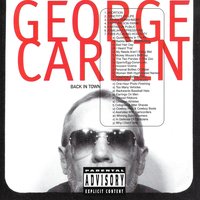
Informazioni sulla canzone In questa pagina puoi leggere il testo della canzone Familiar Expressions , di -George Carlin
Canzone dall'album: Back in Town
Data di rilascio:31.07.2021
Lingua della canzone:Inglese
Etichetta discografica:Laugh.com
Limitazioni di età: 18+
Seleziona la lingua in cui tradurre:
Scrivi cosa pensi del testo!
Altre canzoni dell'artista:
| Nome | Anno |
|---|---|
| 2021 | |
| 2021 | |
| 1999 | |
| 2008 | |
| 2008 | |
| 2006 | |
| 1999 | |
| 2021 | |
| 1999 | |
| 1999 | |
| 2008 | |
| 2008 | |
| 2008 | |
| 2008 | |
| 1999 | |
| 1999 | |
| 2021 | |
| 1999 | |
| 2006 | |
| 2008 |