| Why Aye Man (originale) | Why Aye Man (traduzione) |
|---|---|
| «WHY AYE MAN» | «PERCHÉ AYE UOMO» |
| We had no way of staying afloat, | Non avevamo modo di restare a galla, |
| We had to leave on a ferryboat. | Dovevamo partire su un traghetto. |
| Economic refugees, | rifugiati economici, |
| On the run to Germany. | In fuga verso la Germania. |
| We had the back of Maggie’s hand, | Avevamo il dorso della mano di Maggie, |
| Times were tough in Geordieland. | I tempi erano duri in Georgia. |
| We got our tools and working gear | Abbiamo i nostri strumenti e attrezzatura da lavoro |
| And humped it all from Newcastle to here. | E ho trasportato tutto da Newcastle a qui. |
| Why aye man. | Perché sì amico. |
| Why aye, why aye man. | Perché sì, perché sì amico. |
| Why aye man, | Perché sì amico, |
| Why aye, why aye man. | Perché sì, perché sì amico. |
| Why aye man. | Perché sì amico. |
| Why aye, why aye man. | Perché sì, perché sì amico. |
| Why aye man, | Perché sì amico, |
| Why aye, why aye man. | Perché sì, perché sì amico. |
| We’re nomad tribes, travelling boys, | Siamo tribù nomadi, ragazzi in viaggio, |
| In the dust and dirt and the wrecking noise. | Nella polvere, nella sporcizia e nel rumore di distruzione. |
| Drills and hammers, diggers and picks, | Trapani e martelli, escavatori e picconi, |
| Mixing concrete, laying bricks. | Miscelazione del calcestruzzo, posa di mattoni. |
| There’s English, Irish, Scots, the lot. | C'è inglese, irlandese, scozzese, tutto. |
| United Nations what we got. | Quello che abbiamo ottenuto dalle Nazioni Unite. |
| Brickies, chippies, every trade. | Brickies, chippies, ogni mestiere. |
| German building, British made. | Edificio tedesco, di fabbricazione britannica. |
| Why aye man. | Perché sì amico. |
| Why aye, why aye man. | Perché sì, perché sì amico. |
| Why aye man, | Perché sì amico, |
| Why aye, why aye man. | Perché sì, perché sì amico. |
| Why aye man. | Perché sì amico. |
| Why aye, why aye man. | Perché sì, perché sì amico. |
| Why aye man, | Perché sì amico, |
| Why aye, why aye man. | Perché sì, perché sì amico. |
| Nay more work on Maggie’s farm. | Anzi, altro lavoro nella fattoria di Maggie. |
| Head away down the autobahn. | Dirigiti lungo l'autostrada. |
| Mine’s a Portakabin bed, | Il mio è un letto Portakabin, |
| Or a bunk in a Nissen hut instead. | O invece una cuccetta in una capanna Nissen. |
| There’s plenty Deutschmarks here to earn. | Ci sono molti marchi tedeschi qui da guadagnare. |
| And German tarts are wundersch (c)°. | E le crostate tedesche sono wundersch (c)°. |
| German beer is chemical free. | La birra tedesca è priva di sostanze chimiche. |
| Germany’s alright with me. | La Germania mi sta bene. |
| Sometimes I miss my River Tyne, | A volte mi manca il mio fiume Tyne, |
| But you’re my pretty fr (c)Ђ№lein. | Ma tu sei il mio carino fr (c)Ђ№lein. |
| Tonight we’ll drink the old town dry, | Stanotte berremo secca la città vecchia, |
| Keep our spirit levels high. | Tieni alto il nostro livello di spirito. |
| Why aye man. | Perché sì amico. |
| Why aye, why aye man. | Perché sì, perché sì amico. |
| Why aye man, | Perché sì amico, |
| Why aye, why aye man. | Perché sì, perché sì amico. |
| Why aye man. | Perché sì amico. |
| Why aye, why aye man. | Perché sì, perché sì amico. |
| Why aye man, | Perché sì amico, |
| Why aye, why aye man. | Perché sì, perché sì amico. |
| Sometimes I miss my River Tyne, | A volte mi manca il mio fiume Tyne, |
| But you’re my pretty fr (c)Ђ№lein. | Ma tu sei il mio carino fr (c)Ђ№lein. |
| Tonight we’ll drink the old town dry, | Stanotte berremo secca la città vecchia, |
| Keep our spirit levels high. | Tieni alto il nostro livello di spirito. |
| Sometimes I miss my River Tyne, | A volte mi manca il mio fiume Tyne, |
| But you’re my pretty fr (c)Ђ№lein. | Ma tu sei il mio carino fr (c)Ђ№lein. |
| Tonight we’ll drink the old town dry, | Stanotte berremo secca la città vecchia, |
| Keep our spirit levels high. | Tieni alto il nostro livello di spirito. |
Traduzione del testo della canzone Why Aye Man - Mark Knopfler
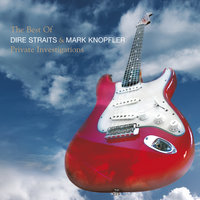
Informazioni sulla canzone In questa pagina puoi leggere il testo della canzone Why Aye Man , di -Mark Knopfler
Nel genere:Иностранный рок
Data di rilascio:31.12.2004
Lingua della canzone:Inglese
Seleziona la lingua in cui tradurre:
Scrivi cosa pensi del testo!
Altre canzoni dell'artista:
| Nome | Anno |
|---|---|
| 2013 | |
| 2004 | |
| 1995 | |
| 2015 | |
| 2003 | |
| 2004 | |
| 1999 | |
| 2003 | |
| 2003 | |
| 2018 | |
| 2018 | |
| 1995 | |
| 2018 | |
| 2006 | |
| 2004 | |
| 2021 | |
| 2009 | |
| 2004 | |
| 2011 | |
| 2006 |