| Tin Town (originale) | Tin Town (traduzione) |
|---|---|
| Have you been down to Tin Town, where dreams in cans once were drowned. | Sei stato a Tin Town, dove una volta i sogni nelle lattine venivano annegati. |
| A snag somewhere in someone’s life caught him there, pulled him to strife. | Un intoppo da qualche parte nella vita di qualcuno lo ha colto lì, lo ha trascinato in conflitto. |
| A bottle here, and there are left. | Una bottiglia qui e là sono rimaste. |
| Many broken, the air is deaf. | Molti rotti, l'aria è sorda. |
| With non-understanding vows, remember tears upon their brows. | Con i voti incomprensibili, ricorda le lacrime sulle loro sopracciglia. |
| In Tin Town, has-been town. | A Tin Town, è stata una città. |
| Tin Town, has-been town. | Tin Town, è stata una città. |
| A tiny flag upon a mast, where camptown children played in past. | Una piccola bandiera su un albero, dove i bambini dei campi giocavano in passato. |
| A river winding through the trees. | Un fiume che si snoda tra gli alberi. |
| Banks eroded, extreme degrees. | Banche erose, gradi estremi. |
| Once a place to be baptized, when pentecostal need arise. | Un tempo luogo per essere battezzati, quando si presenta la necessità pentecostale. |
| A shank or two with rotted plank. | Uno stinco o due con tavola marcita. |
| A fish or two, their eyes are blank. | Un pesce o due, i loro occhi sono vuoti. |
| In Tin Town, has-been town. | A Tin Town, è stata una città. |
| Tin Town, has-been town. | Tin Town, è stata una città. |
| Well I been down to Tin Town, where once a boy I did fall down. | Bene, sono stato a Tin Town, dove una volta da ragazzo sono caduto. |
| And cut my arm on piled up junk. | E mi taglio il braccio sulla spazzatura ammucchiata. |
| I wrapped it up and I hailed a drunk. | L'ho avvolto e ho salutato un ubriacone. |
| He carried me three miles to home, where daddy said I was cut to the bone. | Mi ha portato per tre miglia a casa, dove papà ha detto che ero tagliato fino all'osso. |
| The doctor washed his hands and said, «Five more minutes, the boy’d been dead.» | Il dottore si lavò le mani e disse: «Ancora cinque minuti, il ragazzo era morto». |
| Down where people lose their heads. | Giù dove le persone perdono la testa. |
| In Tin Town, has-been town. | A Tin Town, è stata una città. |
| Tin Town, has-been town. | Tin Town, è stata una città. |
| I know you well. | Ti conosco bene. |
| Well I live here in Tin Town. | Bene, vivo qui a Tin Town. |
| Not many people come around. | Non molte persone vengono in giro. |
| When when they do I smile at them. | Quando quando lo fanno gli sorrido. |
| And say, «Hello, it’s a mighty hot day. | E dì: «Ciao, è una giornata molto calda. |
| Can you spare a man a dime? | Puoi risparmiare a un uomo un centesimo? |
| I got thirty cents and I can buy some wine. | Ho trenta centesimi e posso comprare del vino. |
| I’m livin' in my childhood schemes. | Sto vivendo nei miei progetti della mia infanzia. |
| Please, mister, you can make my dreams (you | Per favore, signore, puoi realizzare i miei sogni (tu |
| can make my dreams!).» | posso realizzare i miei sogni!).» |
| In Tin Town, has-been town. | A Tin Town, è stata una città. |
| Tin Town, has-been town. | Tin Town, è stata una città. |
| It’s my home. | È la mia casa. |
| It’s my home. | È la mia casa. |
| It’s my home. | È la mia casa. |
| It’s my home. | È la mia casa. |
Traduzione del testo della canzone Tin Town - Seals & Crofts
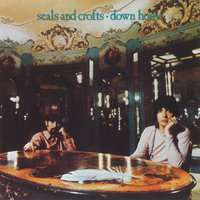
Informazioni sulla canzone In questa pagina puoi leggere il testo della canzone Tin Town , di -Seals & Crofts
Canzone dall'album: Down Home
Nel genere:Поп
Data di rilascio:07.06.2007
Lingua della canzone:Inglese
Etichetta discografica:Warner
Seleziona la lingua in cui tradurre:
Scrivi cosa pensi del testo!
Altre canzoni dell'artista:
| Nome | Anno |
|---|---|
| 1977 | |
| 1974 | |
| 2021 | |
| 2007 | |
| 2007 | |
| 2007 | |
| 2007 | |
| 2007 | |
| 2007 | |
| 2007 | |
| 2007 | |
| 2007 | |
| 2007 | |
| 2007 | |
| 2007 | |
| 2007 | |
| 2007 | |
| 2007 | |
| 2007 | |
| 2007 |