| Situation Comedy Blues (originale) | Situation Comedy Blues (traduzione) |
|---|---|
| What’s a laugh? | Che cos'è una risata? |
| The sound of common-sense falling apart | Il suono del buon senso che va in pezzi |
| What’s common-sense? | Cos'è il buon senso? |
| A million unthinking hearts | Un milione di cuori senza pensieri |
| At the end of the working day | Alla fine della giornata lavorativa |
| And who am I? | E chi sono io? |
| Call me the barman standing waiting for the workers | Chiamami il barista che aspetta i lavoratori |
| To drink their work away | Per bere il loro lavoro |
| I’m the man who serves the laughter | Sono l'uomo che serve le risate |
| To the drunkards of disaster | Agli ubriachi del disastro |
| After they’ve got plastered on the news | Dopo che sono stati intonacati al telegiornale |
| And I’ve got the situation comedy blues | E ho la situazione comedy blues |
| What’s the situation? | Qual è la situazione? |
| This man has been abandoned by his woman | Quest'uomo è stato abbandonato dalla sua donna |
| What’s the reason? | Per quale motivo? |
| He’s lost his sense of humour | Ha perso il senso dell'umorismo |
| This man is sober | Quest'uomo è sobrio |
| And so he s gone to bed with another writer’s scripts | E così è andato a letto con le sceneggiature di un altro scrittore |
| And his wife has had to move in with her mother | E sua moglie ha dovuto trasferirsi con sua madre |
| And the man who serves the laughter | E l'uomo che serve la risata |
| To the drunkards of disaster | Agli ubriachi del disastro |
| After they’ve got plastered on the news | Dopo che sono stati intonacati al telegiornale |
| Has got the situation comedy blues | Ha la situazione commedia blues |
| He’s been devising a new series | Ha ideato una nuova serie |
| Where the first man to appear is | Dove si trova il primo uomo ad apparire |
| Pakistani and the second is a queer | pachistano e il secondo è un omosessuale |
| Who rings the bell in tights and biker’s gear | Chi suona il campanello in calzamaglia e abbigliamento da motociclista |
| And he tells them that he’s sorry to disturb them | E dice loro che gli dispiace disturbarli |
| But the sari that the wife had on today was out of sight | Ma il sari che aveva la moglie oggi era fuori dalla vista |
| And could he maybe borrow it tonight? | E potrebbe magari prenderlo in prestito stasera? |
| And the man who serves the laughter | E l'uomo che serve la risata |
| To the workaholics after | Ai maniaci del lavoro dopo |
| They’ve got drunk on the disasters of the news | Si sono ubriacati per i disastri della notizia |
| Has got the situation comedy blues | Ha la situazione commedia blues |
| So the Paki asks the queen in to his brilliantly-lit kitchen | Quindi il pakistano chiede alla regina di entrare nella sua cucina brillantemente illuminata |
| Where he demonstrates his do-it-yourself tools | Dove mostra i suoi strumenti fai-da-te |
| He’s the type who doesn’t gladly suffer fools | È il tipo che non sopporta volentieri gli sciocchi |
| But he electrocutes his finger in his biggest Black and Decker | Ma si fulmina il dito nel suo più grande Black and Decker |
| When his wife appears in towel and rubber hat | Quando appare sua moglie con un asciugamano e un cappello di gomma |
| And the bath she s running floods the neighbours' flat | E il bagno che sta facendo allaga l'appartamento dei vicini |
| I’ve been sitting here unhappily | Sono stato seduto qui infelicemente |
| Trying to write this comedy | Sto cercando di scrivere questa commedia |
| When I hear a sudden laugh in the next room | Quando sento una risata improvvisa nella stanza accanto |
| And thinking it’s my woman who’s come home | E pensando che è la mia donna che è tornata a casa |
| I call her name expectantly and, glad that she’s come back to me | La chiamo il suo nome in attesa e sono felice che sia tornata da me |
| I throw away my trivialising pen. | Getto via la mia penna banalizzante. |
| And then the television laughs again | E poi la televisione ride di nuovo |
| Marie come back to me | Marie torna da me |
Traduzione del testo della canzone Situation Comedy Blues - Momus
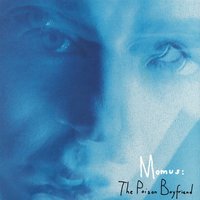
Informazioni sulla canzone In questa pagina puoi leggere il testo della canzone Situation Comedy Blues , di -Momus
Canzone dall'album: The Poison Boyfriend
Nel genere:Инди
Data di rilascio:09.08.1987
Lingua della canzone:Inglese
Etichetta discografica:Cherry Red
Seleziona la lingua in cui tradurre:
Scrivi cosa pensi del testo!
Altre canzoni dell'artista:
| Nome | Anno |
|---|---|
| 1988 | |
| 2012 | |
| 2019 | |
| 2019 | |
| 2019 | |
| 2019 | |
| 2019 | |
| 2009 | |
| 2019 | |
| 2019 | |
| 2019 | |
| 2019 | |
| 2019 | |
| 2019 | |
| 2019 | |
| 2019 | |
| 2019 | |
| 2019 | |
| 2019 | |
| 2019 |