| The Blind Harper (originale) | The Blind Harper (traduzione) |
|---|---|
| Have you heard of the blind harper, | Hai sentito parlare dell'arpista cieco, |
| How he lived in Hogmaven town, | Come ha vissuto nella città di Hogmaven, |
| How he went down to fair England, | Come è sceso nella bella Inghilterra, |
| To steal King Henry’s wanton Brown. | Per rubare lo sfrenato Brown di re Enrico. |
| First he went unto his wife, | Prima andò da sua moglie, |
| With all the haste as go could he, | Con tutta la fretta possibile, |
| This work he said it will never go well, | Questo lavoro ha detto che non andrà mai bene, |
| Without the help of our good grey mare. | Senza l'aiuto della nostra buona cavalla grigia. |
| Said she, you take the good grey mare, | Disse lei, prendi la buona giumenta grigia, |
| She’ll run o’er hills both low and high, | Correrà sulle colline sia basse che alte, |
| Go take the halter in your hose, | Vai a prendere la cavezza nel tubo, |
| And leave the foal at home with me. | E lascia il puledro a casa con me. |
| He’s up and went to England gone, | Si è alzato e se n'è andato in Inghilterra andato, |
| He went as fast as go could he, | È andato il più veloce possibile, |
| And when he got to Carlisle gates, | E quando è arrivato ai cancelli di Carlisle, |
| Who should be there but King Henry. | Chi dovrebbe essere lì se non re Enrico. |
| Come in, come in you blind harper, | Entra, vieni, cieca arpista, |
| And of your music let me hear, | E della tua musica fammi sentire, |
| But up and said the blind harper, | Ma su e disse l'arpista cieco, |
| I’d rather have a stable for my mare. | Preferirei avere una stalla per la mia cavalla. |
| The king looked over his left shoulder, | Il re guardò oltre la sua spalla sinistra, |
| And he said unto his stable groom, | E disse al suo stalliere: |
| Go take the poor blind harper’s mare, | Vai a prendere la giumenta del povero arpista cieco, |
| And put her beside my wanton brown. | E mettila accanto al mio marrone sfrenato. |
| Then he’s harped and then he sang, | Poi ha suonato l'arpa e poi ha cantato, |
| Til he played them all so sound asleep, | Finché non li ha suonati tutti così profondamente addormentati, |
| And quietly he took off his shoes, | E piano piano si tolse le scarpe, |
| And down the stairs he did creep. | E giù per le scale si è insinuato. |
| Straight to the stable door he’s gone, | Dritto alla porta della stalla se n'è andato, |
| With a tread so light as light could be, | Con un battistrada così leggero come potrebbe essere, |
| And when he opened and went in, | E quando ha aperto ed è entrato, |
| He found thirty steeds and three. | Trovò trenta destrieri e tre. |
| He took the halter from his horse, | Ha preso la cavezza dal suo cavallo, |
| And from his purse he did not fail, | E dalla sua borsa non ha mancato, |
| He slipped it over the wanton’s nose, | L'ha fatto scivolare sul naso del sfrenato, |
| And tied it to the grey mare’s tail. | E lo legò alla coda della giumenta grigia. |
| Then he let her loose at the castle gates, | Poi la lasciò andare alle porte del castello, |
| She didn’t fail to find her way, | Non ha mancato di trovare la sua strada, |
| She went back to her own colt foal, | Tornò dal suo puledro puledro, |
| Three long hours before the day. | Tre lunghe ore prima del giorno. |
| Then in the morning, at fair daylight, | Poi al mattino, alla bella luce del giorno, |
| When they had ended all their cheer, | Quando ebbero finito tutto il loro allegria, |
| Behold the wanton brown had gone, | Ecco che il marrone sfrenato se n'era andato, |
| So had the poor blind harper’s mare. | Così anche la povera giumenta cieca dell'arpista. |
| And oh, Alas, said the blind harper, | E oh, ahimè, disse l'arpista cieco, |
| Ever also that I came here, | Sempre anche che io venni qui, |
| In Scotland I’ve got a little colt foal, | In Scozia ho un piccolo puledro, |
| In England they stole my good grey mare. | In Inghilterra hanno rubato la mia buona cavalla grigia. |
| Hold your tongue said King Henry, | Tieni a freno la lingua disse re Enrico, |
| And all your mournings let them be, | E lascia che siano tutti i tuoi lutti, |
| You shall get a far better mare, | Avrai una cavalla di gran lunga migliore, |
| And well paid shall our colt foal be. | E ben pagato sarà il nostro puledro. |
| Again he harped and again he sang, | Di nuovo arpeggiò e di nuovo cantò, |
| The sweetest music he let them hear, | La musica più dolce che ha lasciato loro ascoltare, |
| He was paid for a foal that he never lost, | Fu pagato per un puledro che non perse mai, |
| And three times over the good grey mare. | E tre volte la buona giumenta grigia. |
Traduzione del testo della canzone The Blind Harper - Kate Rusby
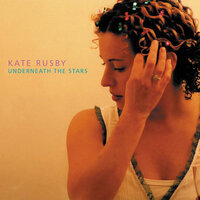
Informazioni sulla canzone In questa pagina puoi leggere il testo della canzone The Blind Harper , di -Kate Rusby
Canzone dall'album: Underneath The Stars
Nel genere:Музыка мира
Data di rilascio:21.11.2010
Lingua della canzone:Inglese
Etichetta discografica:Pure
Seleziona la lingua in cui tradurre:
Scrivi cosa pensi del testo!
Altre canzoni dell'artista:
| Nome | Anno |
|---|---|
| 2010 | |
| 2010 | |
| 2010 | |
| 2010 | |
| 2010 | |
| 2010 | |
| 2010 | |
| 2010 | |
| 2010 | |
| 2010 | |
| 2010 | |
| 2010 | |
| 2010 | |
| 2010 | |
| 2010 | |
| 2010 | |
| 2014 | |
| 2010 | |
| 2010 | |
| 2014 |